



Sell on Shopify in 2026 has never been easier, but with hundreds of e-commerce platforms, choosing the right one is crucial. Shopify continues to dominate the US market due to its flexibility, ease of use, and powerful tools. If you’re wondering how to start and scale your online business, this guide covers actionable steps, real US-based experiences, and tips for maximizing profits.
Many beginners also ask, “What to offer on Shopify?” or “What can you list on Shopify?” These are critical questions because choosing the right products can make a big difference in your online store’s success. We’ll cover that in detail below.
Key Points
Before diving in, there are a few foundational aspects you must understand:
- Market Research Matters: Understanding your target audience is essential. US entrepreneurs often start by analyzing local trends and competitors before launching.
- Product Selection: Many new sellers wonder “Best products to sell on Shopify”. Successful Shopify sellers combine trending items with evergreen products.
- Budget Planning: Factor in store setup costs, marketing, and apps. Many US-based small businesses start with minimal budgets using trial offers.
- Legal and Compliance: Some ask “Do you need an LLC to sell on Shopify?” or “Do I need an LLC to list on Shopify?”. While it’s not always required, forming an LLC can protect your personal assets and add credibility in the US.
1: Sign Up & Setup Your Shopify Store to Sell on Shopify
Starting is straightforward. Head to shopify.com and register for a trial. During the setup:
- Choose a Store Name: Pick something memorable and brandable.
- Select a Theme: Shopify offers mobile-responsive themes to make your store look professional.
- Customize Design: Adjust colors, fonts, and layouts. Many US sellers use minimalist designs to increase conversion rates.
US-based experience: Jane, a New York-based seller, shared that a clean, intuitive theme increased her first-month sales by 30%.
2: Add Products
Choosing what to sell is crucial. Questions like “What to Trade on Shopify?” or “Best products to launch on Shopify often guide this step.
- Product Titles & Descriptions: Include keywords naturally.
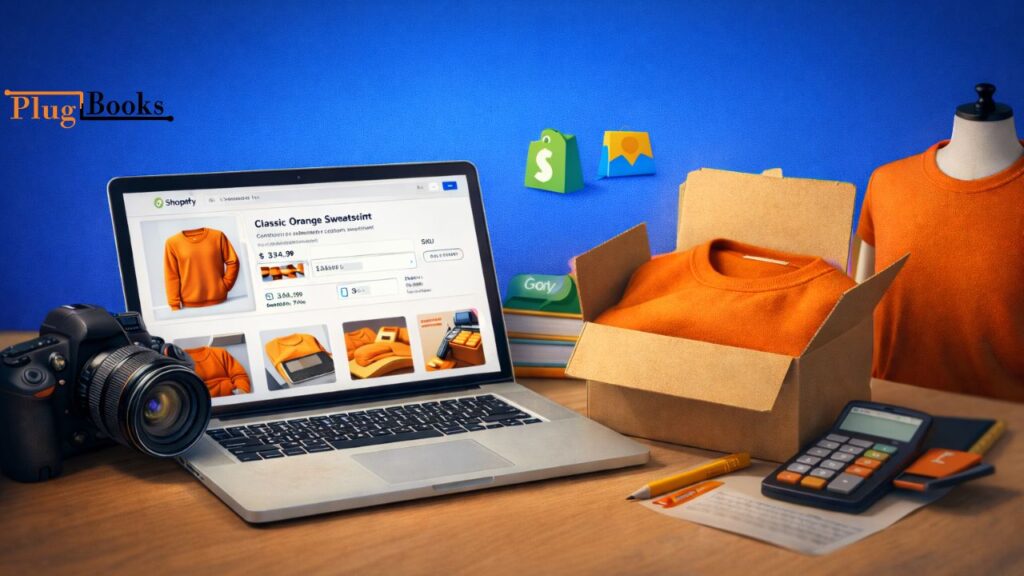
- High-Quality Images: Multiple angles and lifestyle photos boost customer trust.
- Pricing: Use competitive yet profitable pricing strategies.
For digital products or print-on-demand items, Shopify’s apps simplify uploading and managing inventory.
3: Configure Payments and Shipping
To accept orders seamlessly:
- Payment Gateways: Shopify supports credit cards, PayPal, and Apple Pay. Most US stores integrate multiple options to cater to customer preferences.
- Shipping Rates: Configure flat rates, tiered pricing, or real-time shipping costs.
Many sellers ask, “How much does it cost to sell on Shopify?” The basic plan starts at $39/month, but costs may rise depending on apps, themes, and additional tools.
Tip: Offer free shipping for orders above a certain threshold. It’s common in US online stores and increases average order value.
4: Manage Inventory
Inventory management is essential to avoid overselling or stockouts. Shopify’s dashboard allows you to:
- Track product quantity in real-time.
- Automate alerts when stock is low.
- Manage orders efficiently.
Transitive operations here (e.g., update, track, and manage) help streamline workflow and reduce manual errors.
5: Launch and Market Your Store
Launching is only the beginning. Marketing drives traffic and sales:
- Social Media Ads: Facebook, Instagram, and TikTok campaigns work exceptionally well for US audiences.
- Email Marketing: Build newsletters to retain customers.
- SEO Optimization: Use keywords in titles, descriptions, and blogs.
- Apps: Leverage apps like DropCommerce for dropshipping or Printful for POD.
Real US-based insight: A Chicago-based seller used Instagram Reels to drive traffic, earning her first $5,000 in 30 days.
Many first-time sellers also wonder “What can you sell on Shopify?” The answer is almost anything legal—physical products, digital downloads, courses, or print-on-demand merchandise.
Key Tips for Selling Successfully
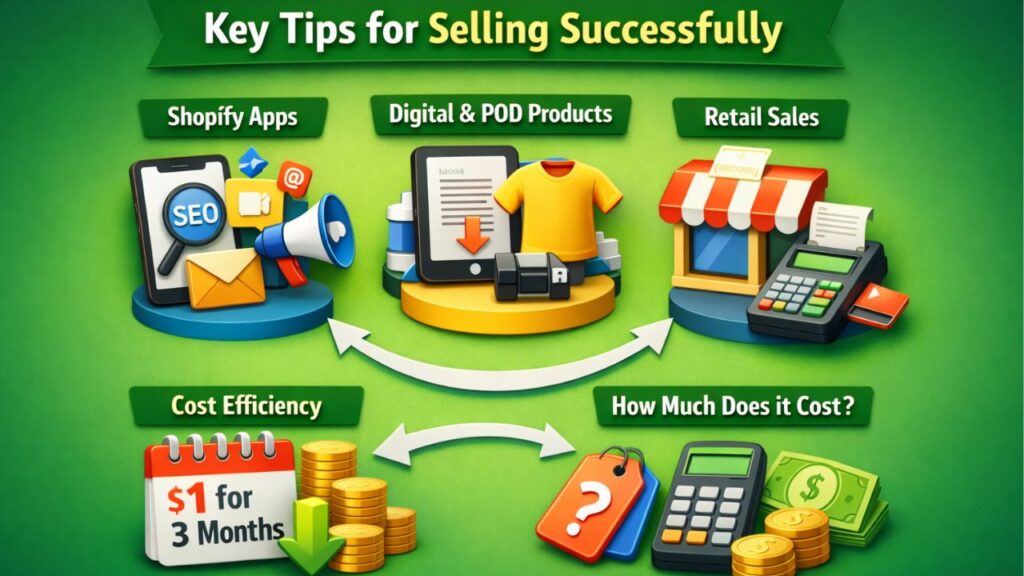
- Use Shopify Apps: SEO, email campaigns, and social media ads apps make marketing easier.
- Digital & POD Products: Digital Downloads app for e-books or Printful for T-shirts ensures smooth operations.
- Retail Sales: Shopify POS allows you to sell in physical stores.
- Cost Efficiency: For those asking “How much does it cost to sell on Shopify?”Promotions like “$1 for 3 months” help reduce initial investment.
Why PlugBooks is Essential for Shopify Sellers
Running a Shopify store involves tracking finances, inventory, and orders. This is where PlugBooks becomes invaluable.
- Seamless Integration: Connect Shopify to QuickBooks or Xero easily.
- Automated Tracking: Every sale, refund, and expense is updated automatically.
- US-based Compliance: Ensures your financial records comply with US tax laws.
- Time Savings: Reduces manual entry, letting you focus on marketing and growth.
Whether you’re asking “Do you need an LLC to sell on Shopify?” or managing multiple products, PlugBooks ensures your bookkeeping is effortless and accurate—especially important as your store scales in 2026.

Common Mistakes When Selling on Shopify
Even experienced sellers make mistakes. Avoid these pitfalls:
- Skipping Product Research: Selling what’s trending without demand can result in low sales.
- Ignoring Mobile Optimization: Over 70% of US e-commerce users shop via mobile.
- Neglecting Marketing: A beautiful store alone won’t drive sales.
- Poor Inventory Management: Out-of-stock items lead to canceled orders and lost trust.
Security Tips for Shopify Sellers
Security is paramount for online stores:
- Use strong, unique passwords.
- Enable two-factor authentication.
- Regularly update apps and themes.
- Monitor for suspicious activities.
Transitive actions like check, update, and secure help maintain trust and protect your revenue.
FAQs
Q1: Can I sell both physical and digital products on Shopify?
Yes. Shopify supports both types via apps like Digital Downloads and Printful for seamless management.
Q2: How much does it cost to trade on Shopify in 2026?
Plans start from $39/month, with promotions often available for US-based sellers. Additional apps or POS may add costs.
Q3: Do I need an LLC to sell on Shopify?
It’s not mandatory, but forming an LLC offers legal protection and credibility. Many US sellers prefer it for peace of mind.
Q4: Do I need an LLC to sell on Shopify if I start small?
Even for small stores, an LLC can separate personal and business liability, which is recommended in the US.
Q5: What to sell on Shopify for beginners?
Start with trending products, digital downloads, or print-on-demand items that require minimal inventory.
Q6: What can you sell on Shopify without inventory?
Dropshipping or POD services allow you to sell products without holding stock.
Q7: What are the best products to sell on Shopify in 2026?
Niche products, trending accessories, digital courses, and eco-friendly items consistently perform well.
Quick Recap
- Start by signing up and customizing your store.
- Add products using compelling descriptions and high-quality images.
- Configure payments and shipping for smooth checkout.
- Manage inventory using Shopify’s tools.
- Launch and market with ads, SEO, and apps.
- Use PlugBooks for seamless bookkeeping and compliance.
Whether you’re considering “How much does it cost to offer on Shopify?” or “Do I need an LLC to List on Shopify?” Following these steps ensures you build a professional and profitable online store.
Conclusion
Knowing how to begin on Shopify in 2026 involves more than just setting up a store. US sellers succeed by combining market research, quality products, efficient inventory management, marketing, and robust financial tracking.
Leveraging tools like PlugBooks ensures your business not only launches successfully but scales efficiently over time. Whether selling physical goods, digital products, or print-on-demand items, Shopify provides the flexibility to turn your entrepreneurial dreams into reality.
