



How to Become a Bookkeeper from Home 2025 is one of the most searched topics today because people want flexible work, stable income, and the ability to grow a career from home. Bookkeeping is one of the few professions where you don’t need a degree, past experience, or advanced math skills to begin.
In this guide, we’ll explore:
- What qualifications do you need for a bookkeeper
- How to start a career in bookkeeping from scratch
- How quickly you can become a bookkeeper
- How to become a bookkeeper with no experience
- How to become a bookkeeper without a degree
- Optional path to become a certified bookkeeper
- Step-by-step instructions for beginners
- Realistic timelines, skills, and tools
- How PlugBooks supports your journey
Let’s begin your home-based bookkeeping career journey.
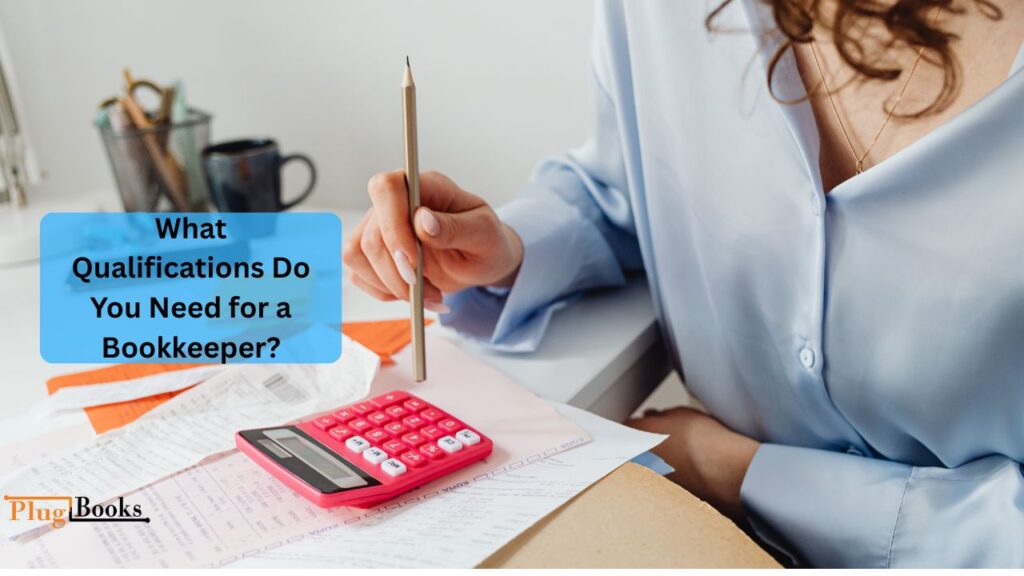
What Qualifications Do You Need for a Bookkeeper?
One of the biggest reasons people choose bookkeeping is that formal qualifications aren’t mandatory. Clients value accuracy, reliability, and basic financial understanding over degrees.
The core qualifications include:
1. Basic Education
A high school diploma is generally enough to begin.
2. Understanding Numbers
You need basic logic, attention to detail, and comfort with numbers.
3. Strong Organizational Skills
Bookkeepers work with financial records, receipts, invoices, and reports — staying organized is essential.
4. Familiarity With Digital Tools
Bookkeeping is now software-driven. Using a streamlined tool like PlugBooks helps you learn faster and avoid errors.
5. Optional Certifications
If you want credibility, you can pursue a certified bookkeeper path, but it’s not required.
Starting Out as a Bookkeeper
Here is the simple path to launching a bookkeeping career from home:
1. Learn the Basics
Understand essential concepts:
- Debits & credits
- Chart of accounts
- Sales & expenses
- Bank reconciliation
- Financial statements
2. Get Comfortable With Software
Using an automation-friendly tool like PlugBooks helps you learn processes visually and reduces manual mistakes.
3. Practice With Sample Data
Practice daily using mock transactions to build real skill.
4. Build a Simple Portfolio
Show potential clients:
- Cleaned books
- Sample Profit & Loss
- Categorized transactions
- Monthly summaries
5. Start Freelancing or Apply for Remote Jobs
Home-based bookkeeping roles are widely available for beginners.

The Fastest Way I Can Become a Bookkeeper
You can become a bookkeeper faster than most people think.
Typical timeframes:
- Self-study basics: 4–12 weeks
- Portfolio-ready: 2–3 months
- Certified bookkeeper (optional): 3–6 months
Your learning speed depends on practice and consistency.
How to Become a Bookkeeper With No Experience
Many beginners wonder how to become a bookkeeper with no experience — and the answer is simple: learn, practice, and use guided tools.
Step-by-step path:
1. Learn basic accounting terms
Start with simple definitions and examples.
2. Use bookkeeping software
PlugBooks is great for beginners because it reduces manual categorization, errors, and confusion.
3. Practice with mock data
Do daily 15–30 minute practice sessions.
4. Offer trial or low-cost services
This helps build confidence and testimonials.
5. Apply for entry-level remote work
Many businesses hire bookkeepers based on skill, not degrees.
Launch Your Bookkeeping Career Without a Degree
A degree is NOT required to start a bookkeeping career.
Instead of formal education, focus on:
- Practical bookkeeping skills
- Understanding basic reporting
- Learning software
- Gaining experience
- Optional certifications
Clients hire based on accuracy, not academic background.
Steps to Become a Bookkeeper With No Experience
If you’re just starting out, you should:
✔ Learn the principles of accounting
✔ Look at easy financial examples
✔ Practice bank reconciliation
✔ Know what frequent business expenses are
✔ Learn how to create invoices
✔ Make sample reports
✔ Use automation tools like PlugBooks to help you.
This approach gets you ready to work with genuine clients without any problems.
Becoming a Certified Bookkeeper (Optional)
Certification boosts credibility and can raise your rates.
This step is useful but not mandatory to start earning money.
Certification helps with:
- Client trust
- Higher pricing
- Advanced skills
- Professional recognition
But again — you can start without it.
Issues & Security Tips
Starting home-based bookkeeping comes with challenges and responsibilities. Here’s how to stay efficient and secure:
- Confusion About Debits & Credits: Use charts and small examples.
- Fear of Mistakes: Start simple and build confidence.
- Understanding Reports: Break statements into sections to see patterns.
- Slow Workflow: Automation speeds up tasks and reduces errors.
- Client Communication: Use clear, simple explanations.
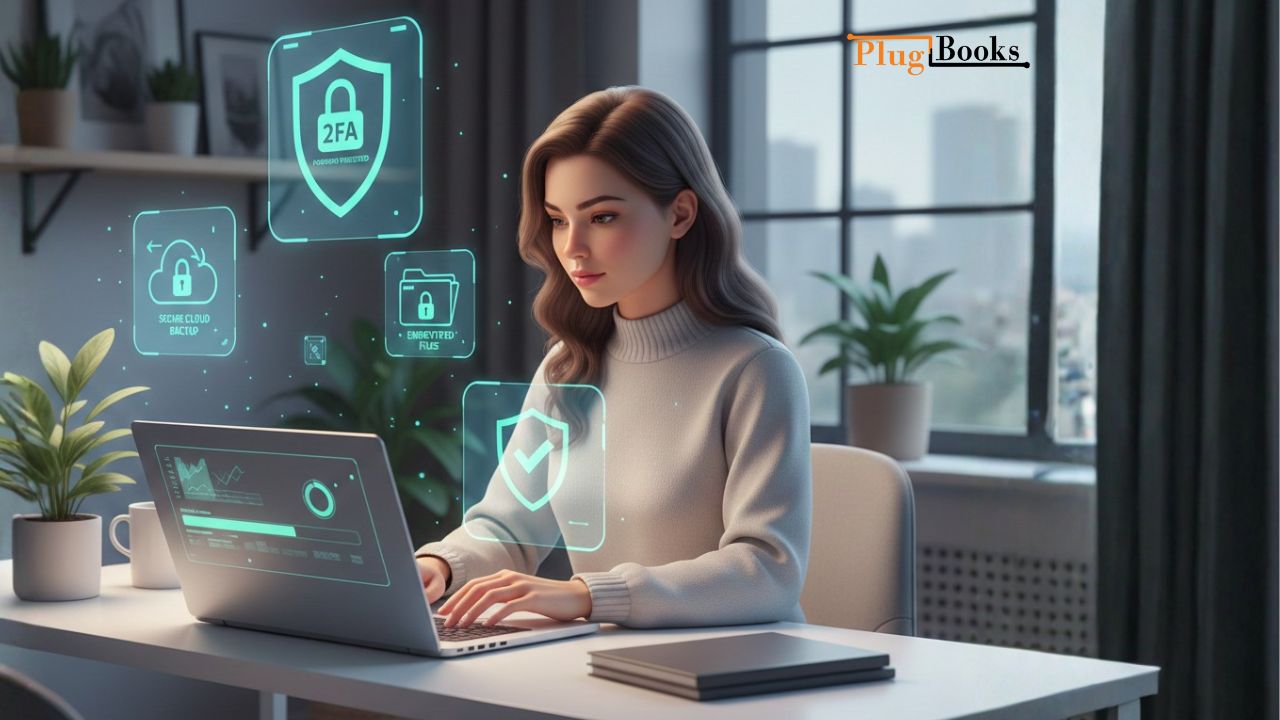
Security Tips:
- Enable two-factor authentication
- Password-protect financial files
- Avoid public Wi-Fi
- Keep software updated
- Secure backups regularly
How PlugBooks Helps You Become a Confident Bookkeeper
PlugBooks is designed for beginners and professionals who want automation, accuracy, and a clean workflow.
Why PlugBooks Is Perfect for New Bookkeepers
- Syncs financial data from multiple sales channels
- Auto-categorizes transactions accurately
- Removes manual errors and duplicates
- Generates tax-ready reports
- Helps you create client-ready Profit & Loss statements
- Works smoothly for home-based bookkeepers
- Saves hours of monthly work
PlugBooks gives you confidence, speed, and a professional setup from day one.
FAQs
1. Do home-based bookkeepers need special software to get started?
You can begin with simple spreadsheets and switch to PlugBooks as your workload grows.
2. Is bookkeeping suitable for people who aren’t good at math?
Yes. Basic math is enough, and most calculations are automated through software.
3. Can I work as a bookkeeper part-time from home?
Yes. Many bookkeepers start with just a few clients and gradually increase their hours.
4. What businesses usually need home-based bookkeepers?
Small businesses, online sellers, influencers, service providers, freelancers, and local shops regularly hire remote bookkeepers.
5. Do I need payroll knowledge to be a bookkeeper?
Not at all. Payroll is optional — many beginners focus only on monthly bookkeeping.
6. What Steps Can a New Bookkeeper Take to Build Confidence?
Practice with sample data, learn step-by-step, and use structured automation tools like PlugBooks.
7. Do bookkeepers need to understand invoicing?
Yes. Clients often want help with basic invoice tracking and payment updates.
8. Can I work with international clients from home?
Yes. Remote bookkeepers commonly serve clients in different countries.
9.What Is the Average Monthly Workload per Client?
Small clients may require 2–5 hours monthly depending on their transaction volume.
10. What do clients expect most from a new bookkeeper?
Accuracy, timely responses, and consistent monthly updates.
A quick summary
- Bookkeeping is a flexible, profitable, and great job for people who work from home.
- You don’t need a degree or any experience
- You can learn the basics in a few weeks.
- Practice makes you more sure of yourself.
- PlugBooks helps both new and experienced users keep on track and accurate.

In conclusion
Most people think that learning how to become a bookkeeper from home in 2025 is harder than it is. You can develop a confident, well-paying job without a degree or experience if you have the necessary abilities, practice every day, and have good software support.
PlugBooks gives you the tools you need to work smarter, send out correct books, and serve clients professionally from home, whether you’re starting a part-time business or planning a full-time one.