




Starting a Shopify store in 2026 is exciting, yet the biggest challenge for most beginners is figuring out how to find products to sell on Shopify. Selecting the right product determines whether your store becomes profitable or struggles to generate traction. Many store owners make the mistake of choosing products based on hunches, viral trends, or what friends suggest, rather than using data and strategic research.
This guide walks you through actionable, step-by-step strategies to find a product to sell on Shopify, validate it, and scale it successfully. By following these steps, you’ll know exactly how to identify winning products, source them effectively, and create a store that converts.
Key takeaways:
- How to identify trending and evergreen products
- Methods to validate demand before investing
- Tools to streamline product research
- Strategies for evaluating profitability and competition
- How to scale products with proven potential
By the end, you will confidently answer how do I find products to sell on Shopify and maximize your store’s potential.
How to Find Products to Sell on Shopify by Understanding Your Audience
The first step in finding products is understanding your audience. Products that solve real problems for a clearly defined customer segment perform best. Without knowing your audience, even high-quality products may not sell.
Questions to define your audience:
- Who is my ideal customer?
- What challenges do they face daily?
- How do they currently solve these problems?
- What motivates them to make purchases?
Creating Detailed Customer Personas
Customer personas are detailed fictional profiles representing your ideal buyer. Include:
- Age, gender, location
- Interests and hobbies
- Pain points, goals, and challenges
- Shopping behavior
Example: For a fitness niche, your target audience may be adults aged 20–40, health-conscious, who follow fitness influencers, and prefer home workout equipment. Knowing this helps you select products that meet their needs, making your marketing more effective.
Mini Action Guide:
- Survey potential customers through social media or email
- Use analytics from existing stores to understand visitor demographics
- Identify trends in purchase patterns and popular product categories
Analyze Market Trends
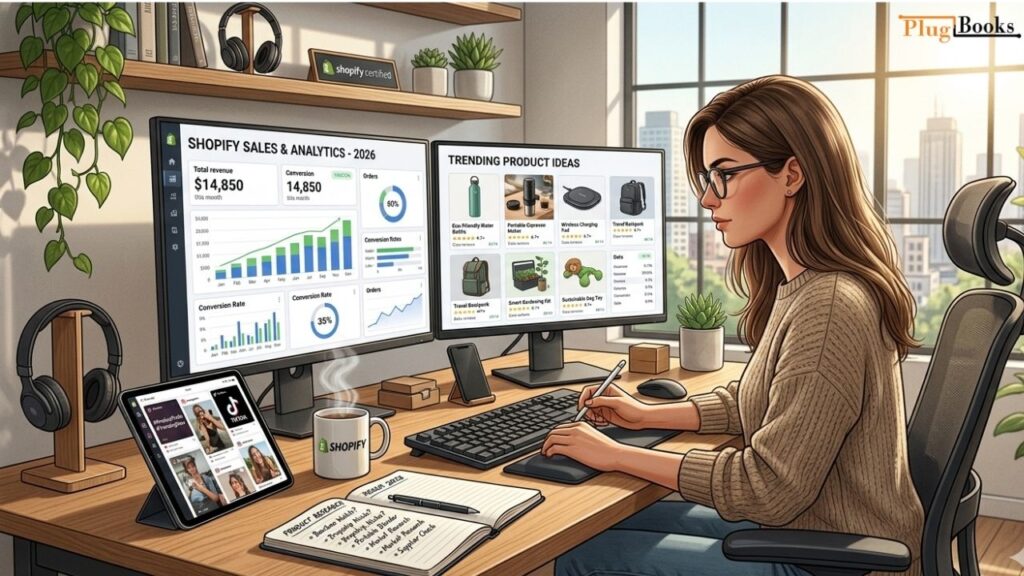
Trends indicate which products are gaining popularity and can help answer how to find a winning product. Products trending now are easier to market, especially when combined with evergreen demand.
Tools for Trend Research
- Google Trends: Identify seasonal spikes and rising interest
- Exploding Topics: Discover products just beginning to gain popularity
- TikTok & Instagram: Monitor viral products and influencer promotions
- Amazon Best Sellers: Analyze consistently high-selling items
Example: Portable mini projectors and smart home accessories are trending in 2026 for tech-savvy shoppers who want compact and functional devices for apartments.
Mini Action Guide:
- Track 5–10 trending products weekly in your niche
- Compare trends over 3–6 months to ensure consistent demand
- Avoid products with extremely short-lived popularity unless targeting seasonal spikes
Use Product Research Tools
Shopify-friendly tools simplify product discovery by providing insights into demand, reviews, and profitability. These tools help answer where do I get products to sell on Shopify.
Recommended Platforms
- Oberlo & DSers: Track dropshipping trends and sales estimates
- SaleHoo: Connect with wholesale suppliers and verified products
- AliExpress: Explore top sellers and assess customer satisfaction
- Semrush & Ahrefs: Analyze search volume and competitive keywords
Mini Action Guide:
- List 15–20 potential products using these tools
- Filter items with consistent sales and positive reviews
- Check shipping options and delivery times to your target region
By using these tools, you can narrow down your options to the products most likely to succeed, reducing guesswork and risk.
Validate Product Demand
Validation ensures that the products you choose will actually sell. Many products seem promising but fail due to lack of real-world interest.
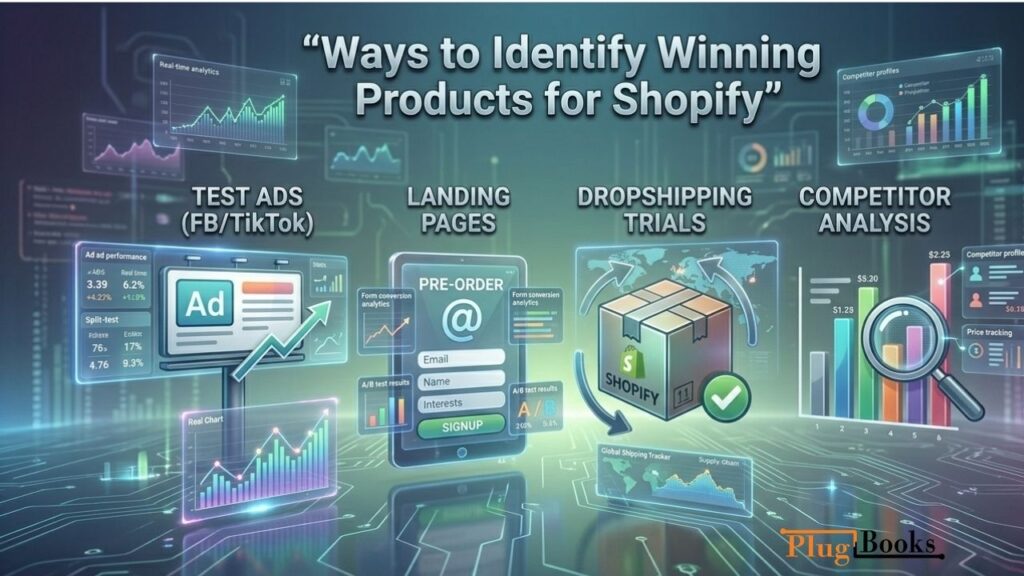
Ways to Identify Winning Products for Shopify
- Test Ads: Run small campaigns on Facebook or TikTok to measure engagement
- Landing Pages: Collect pre-orders or emails before committing to inventory
- Dropshipping Trials: Sell without inventory to gauge demand
- Competitor Analysis: Long-running ads often indicate profitable products
Mini Action Guide:
- Start with a budget of $50–$100 for ad testing
- Measure click-through rates, engagement, and early conversions
- Collect feedback via surveys or reviews
This approach helps answer how I find products to sell on Shopify with confidence, reducing the risk of costly mistakes.
Evaluate Profitability and Competition
Even a popular product won’t help your store if it’s not profitable.
Steps to Evaluate
- Calculate total costs: product, shipping, Shopify fees, ads
- Determine selling price ensuring at least 3x markup
- Analyze competitors: identify product gaps, weaknesses, and marketing opportunities
Example: If a smart resistance band costs $10 to source and ship, selling it at $30 leaves room for advertising and profit.
Competitor Insights
- Identify top sellers on Shopify in your niche
- Analyze customer reviews to uncover what buyers like or dislike
- Look for opportunities to differentiate your product, e.g., improved packaging, better shipping, or bonus items
Focus on Niche Products
Niche products reduce competition and attract dedicated customers. A highly targeted product allows for personalized marketing and better brand recognition.
2026 Promising Niches:
- Eco-friendly home items (bamboo kitchenware, reusable straws)
- Fitness & wellness accessories (resistance bands, posture correctors)
- Tech gadgets (portable projectors, wireless chargers)
- Pet products (smart feeders, interactive toys)
Mini Action Guide:
- Identify 3–5 niche categories with consistent demand
- Research customer pain points in each category
- Test product variations to find the highest-converting option
Balance Evergreen and Seasonal Products
Balancing evergreen and seasonal items ensures steady revenue.
- Evergreen: Sell year-round (phone accessories, fitness equipment)
- Seasonal: Peak during specific months (holiday decor, heaters, summer products)
Mini Action Guide:
- Maintain 60–70% evergreen inventory for stability
- Add seasonal products to boost sales during high-demand periods
- Plan marketing campaigns around seasonal trends to maximize ROI
Source Reliable Suppliers
Reliable suppliers are key for quality, timely delivery, and customer satisfaction.
Options
- Dropshipping: Oberlo, DSers, AliExpress for low-risk testing
- Wholesale: SaleHoo, Alibaba for bulk inventory
- Domestic Suppliers: Faster shipping, better customer experience
Mini Action Guide:
- Test small batches before scaling
- Monitor delivery times and product quality
- Build strong relationships with suppliers for long-term reliability
Test, Iterate, and Scale
Testing, collecting feedback, and scaling successful products is where growth happens.
- Start small to measure engagement and conversion
- Use analytics to monitor performance: clicks, sales, and ROI
- Improve listings based on feedback
- Scale products that consistently perform well
This iterative process ensures sustainable growth while reducing the risk of failed investments.
Optimize Product Listings for Conversion
A great product alone isn’t enough. Optimized listings convert visitors into buyers.
Key Tips
- High-quality images: Multiple angles, lifestyle photos
- Detailed descriptions: Highlight features, benefits, and solutions
- Clear pricing and shipping info: Reduce buyer hesitation
- Customer reviews: Build trust and credibility
Mini Action Guide:
- Use bullet points for readability
- Add a short video demonstrating the product
- A/B test titles and descriptions to improve conversions
Streamline Your Shopify Store with PlugBooks
Managing inventory, tracking sales, and handling Shopify accounting can be overwhelming, especially when testing new products. PlugBooks automates these tasks, giving you real-time insights into sales performance and profit margins.
By using PlugBooks, you can spend more time finding winning products and less time managing spreadsheets.

FAQs
Q1: How do I find a product to sell on Shopify?
A1: To find a product to sell on Shopify, research trending items, validate demand through small tests, and analyze competitors. Tools like Google Trends, Shopify analytics, and AliExpress can help identify products with high potential.
Q2: What are the best sellers on Shopify?
A2: The best sellers on Shopify often include trending tech gadgets, eco-friendly items, and fitness accessories. Monitoring top-selling products helps you discover profitable opportunities for your store.
Q3: How can I find winning products for my store?
A3: You can find a winning product by tracking viral trends, analyzing competitors, and testing demand with small ad campaigns or pre-order pages. Validation is key before scaling.
Q4: Where do I get products to sell on Shopify?
A4: You can get products from dropshipping suppliers, wholesale platforms, or domestic manufacturers. Platforms like Oberlo, DSers, AliExpress, and SaleHoo are reliable sources to get products to sell on Shopify.
Q5: How do I choose products that will actually sell?
A5: Research your audience, check competitors, and validate demand through small campaigns. Identifying products that resonate with buyers reduces risk and ensures profitability.
Q6: Can I test products before fully investing?
A6: Yes, testing products using dropshipping or small ad campaigns allows you to measure interest and engagement before committing fully. This is essential to find a product to sell on Shopify successfully.
Q7: How do I know which products are trending?
A7: Check platforms like Google Trends, TikTok, Instagram, and Shopify’s own reports. Trends indicate what might become best sellers on Shopify in your niche.
Q8: How do I balance niche and general products?
A8: Focus on a core niche to reduce competition, but include a few general or trending items to attract a broader audience. Combining strategies helps identify winning products and maintain consistent revenue.
Q9: How can I track product performance efficiently?
A9: Use Shopify analytics, spreadsheets, or tools like PlugBooks to track sales, inventory, and profit margins. Efficient tracking helps you identify products that sell best and optimize your store.
Q10: What’s the easiest way to start selling on Shopify?
A10: Start with a small inventory or dropshipping model. Use your research to select validated products, monitor performance, and scale gradually to maximize profits. This approach ensures you find a product to sell on Shopify that converts.

Quick Recap
- Understand your target audience and their pain points
- Leverage market trends and research tools for insights
- Validate demand to reduce risk
- Evaluate profitability and analyze competitor gaps
- Test, iterate, and scale winning products
- Optimize listings for higher conversions
Conclusion
Knowing how to find products to sell on Shopify in 2026 is a combination of research, validation, and smart decision-making. By analyzing trends, targeting niches, validating products, and optimizing listings, you can confidently pick winning products and scale a profitable store.
Applying these strategies ensures reduced risk, higher conversions, and sustainable growth in your Shopify business.