



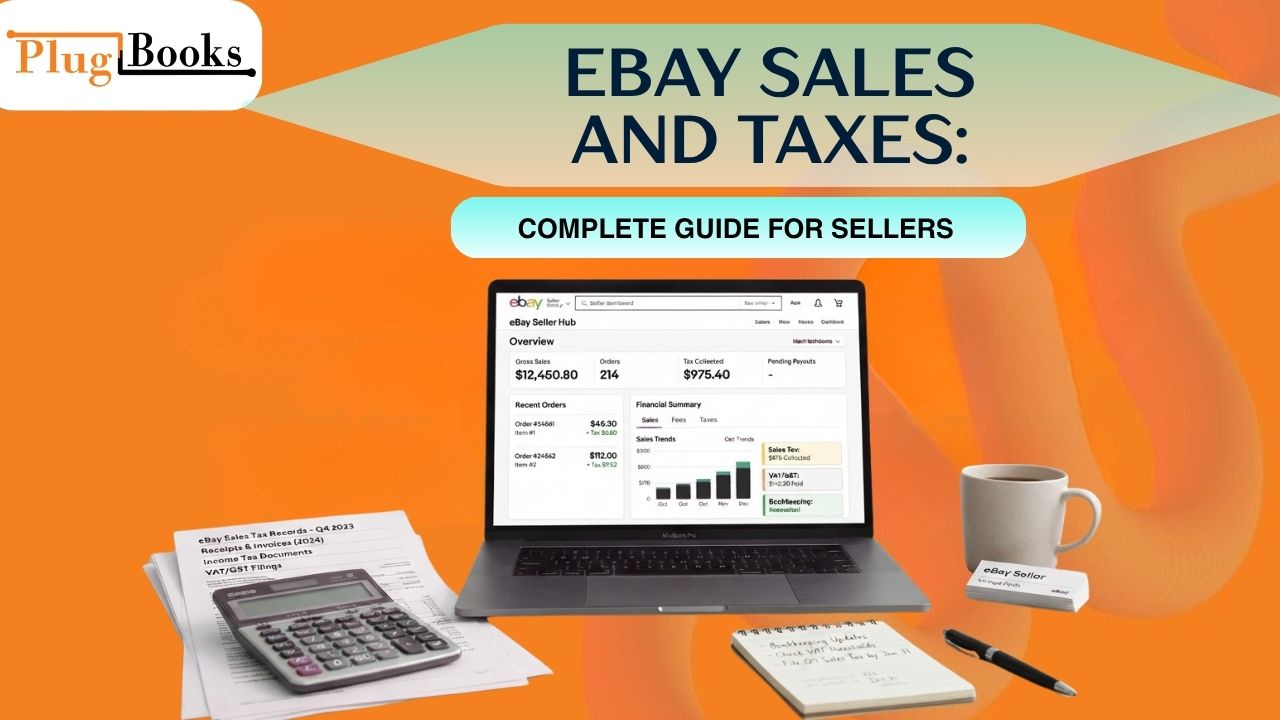
eBay sales and taxes can be confusing because the rules depend on where you live, where your customers are located, what you sell, and whether you’re registered for a particular tax. For US sellers, sales tax is an important consideration, while sellers in the UK, EU, Australia, and other countries may need to deal with VAT or GST.
Another important distinction is between transaction taxes and income tax. eBay may collect certain taxes from buyers and remit them to tax authorities, but sellers are still responsible for reporting their business income and meeting applicable tax requirements.
This guide explains the main taxes eBay sellers may encounter, how eBay’s tax collection works, Form 1099-K, deductible expenses, and the records sellers should maintain.
What Is the Key Information About eBay Sales and Taxes?
The most important point to understand about eBay sales and taxes is that there is no single eBay tax that applies to every seller or transaction. Depending on where you are and what your firm does, you might want to consider:
- U.S. sales tax
- VAT in the UK and European countries
- GST in countries like Australia and New Zealand
- Taxable business profit income tax on
- Possible tax on certain eBay selling fees
- Import Duties/Taxes on overseas shipments
eBay says sellers are responsible for complying with tax regulations applicable to their sales. The marketplace may automatically collect certain taxes, as may be required by law, but this does not relieve the seller of other tax obligations.
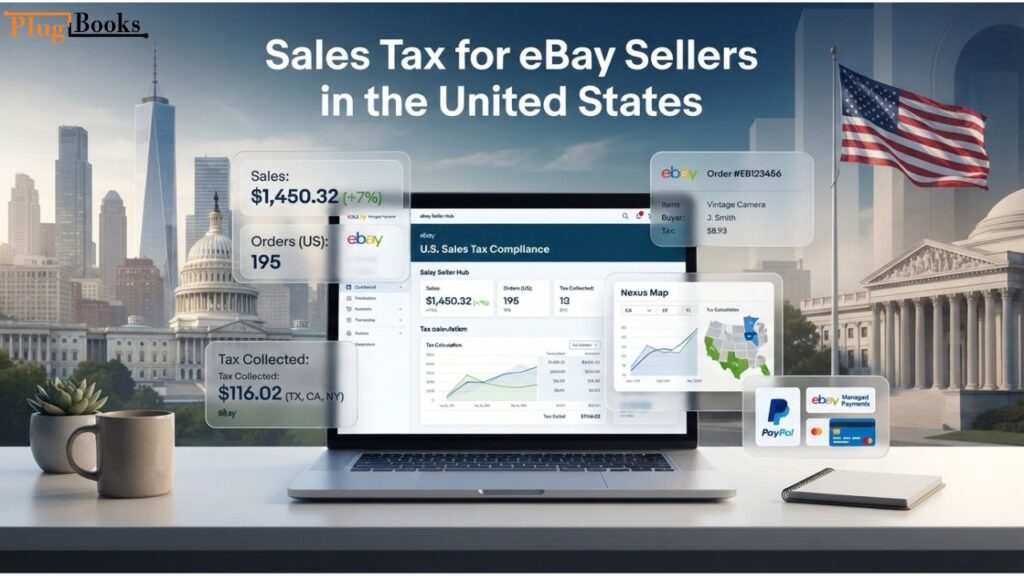
Sales Tax for eBay Sellers in the United States
U.S. sellers should know how state and municipal sales-tax laws can impact their sales.
eBay is subject to marketplace facilitator rules in many US counties that require calculation, collection and remittance of sales tax on qualifying orders. In most cases this implies that the buyer will pay the tax through eBay and eBay will take care of the necessary remittance.
Sellers, however, may have separate registration, filing or reporting duties depending on their circumstances. Sellers may also have other tax duties in jurisdictions where they are allowed or compelled to collect tax on their own.
Do I Have to Pay Sales Tax on eBay?
“It is contingent upon the transaction and the tax rules that apply to the seller and the buyer.”
eBay will collect and remit sales tax in many US marketplace transactions as required by the applicable jurisdiction. Marketplace collection does not negate sellers’ larger tax compliance responsibilities. Sellers should continue to retain records of taxable transactions and tax amounts regardless of whether the marketplace is collecting the tax.
Does eBay Collect Sales Tax?
Yes, eBay may collect sales tax on eligible purchases in accordance with applicable legislation.
The sum may differ depending on things including the buyer’s shipping location, the item bought, and the relevant jurisdiction. Depending on the transaction, eBay says tax may be included in your order total or charged separately.
Does eBay Charge Sales Tax?
Yes, eBay collects and remits sales tax for eligible transactions for jurisdictions for which it is legally required to do so.
The collection can apply whether the seller is based inside or outside the United States, where the transaction is sent to a jurisdiction covered by eBay’s collection duties.
eBay Sellers – GST and VAT International
In other countries, you might be subject to VAT or GST rather than US style sales tax.
The laws that apply depend on the seller’s nation, the customer’s country, the value of the shipment, the type of products and whether the seller is VAT- or GST-registered.
UK & Europe VAT for Sellers
UK and EU sellers need to address the VAT rules that apply to their firm and cross border transactions.
eBay may collect VAT on some transactions as required by law to be collected by marketplaces. Sellers may have their own VAT registration and reporting duties depending on where their firm is located, where their inventory is located and their sales activity.
So, sellers should not assume that just because eBay is collecting VAT on one transaction, every sale is treated in the same way.
GST for Australia & New Zealand
GST may be payable on qualified eBay sales involving Australia and New Zealand.
For some imported items, eBay will collect GST at checkout. Currently eBay says it collects GST on qualified imported orders up to AU$1,000 for Australia and NZ$1,000 for New Zealand. Orders beyond these limits may be liable to GST collection at the border instead.
Sellers need to check the tax requirements that apply to their nation and registration status.
What Kinds of Tax Do eBay Sellers Have to Pay?
The primary categories sellers might need to consider are:
Value Added Tax
US sellers can face state and local sales-tax liabilities. eBay collects and remits tax on eligible transactions in places where marketplace facilitator laws apply.
Value Added Tax (VAT) or Goods and Services Tax (GST)
International sellers can have to register for, charge, report, or account for VAT or GST, depending on their jurisdiction and transactions.
Tax on Income
Sales tax is separate from income tax. Sellers usually disclose taxable income from their eBay business according to standards applicable to them. eBay specifies expressly that sellers are responsible for taxes on income from sales on eBay.
eBay Fees Tax
Depending on the seller’s region, some eBay selling fees may be liable to sales tax, VAT, GST, or other consumption tax.
Why Is Ebay Taxing Now?
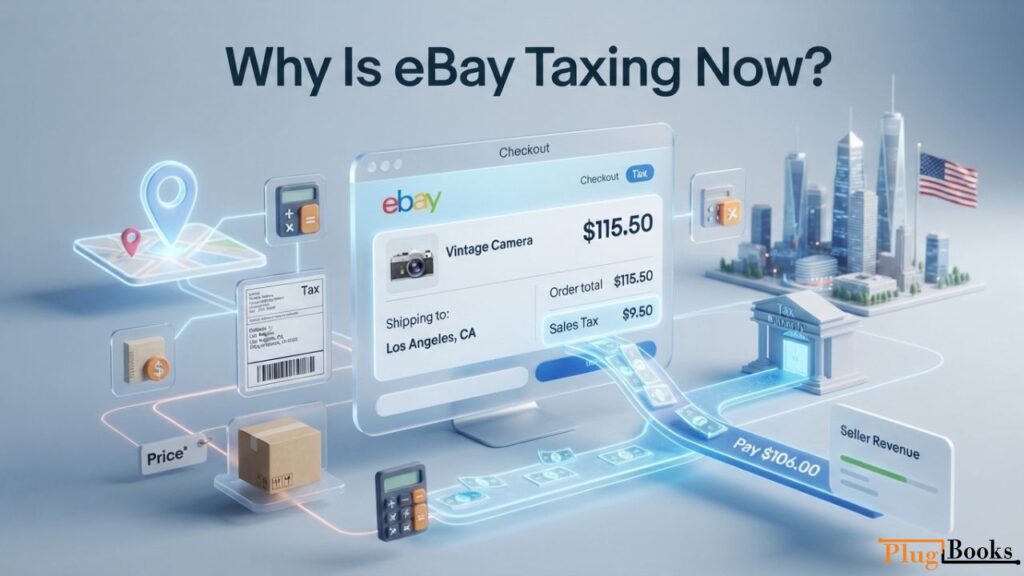
If you just saw tax on an eBay order, that’s likely because eBay has to collect the necessary tax under the laws of the buyer’s location.
Tax calculation is usually based on things like the destination address, product, order value, and local tax rules. eBay does not apply one flat tax rate to all orders.
A fundamental difference for sellers is that the tax collected from a buyer is not automatically the seller’s revenue.
Does eBay Tax Every Sale and Seller?
No. The tax treatment depends on the transaction.
Tax treatment can be affected by factors such as:
- Seller’s location
- Location of Buyer
- Product type
- Order Amount
- Status of registration for tax
- Marketplace facilitator rules apply
- Local VAT, GST or sales-tax legislation
For example, eBay may collect sales tax on an eligible US order, while another overseas transaction may be handled under VAT or GST standards.
How does eBay collect taxes?
eBay calculates the applicable tax amount based on transaction information such as delivery destination and item details, where legally required to collect tax.
The tax is normally included in the amount of the buyer’s order. eBay then collects this sum and transfers it to the relevant tax body, if applicable.
Sellers shall continue to maintain transaction records showing:
- Quantity for sale
- Tax levy
- Coverage & Reimbursement
- eBay charges
- Shipping costs
- Net payout
eBay offers reporting on your orders and transactions to assist you analyse the tax amounts on your sales.
Do you have a tax form from eBay?
US sellers may get a Form 1099-K if applicable federal or state reporting requirements are completed.
For 2025 transactions, eBay notes the federal reporting requirement stands at more than $20,000 in gross payments and more than 200 transactions, however certain states have lower criteria.
The 1099-K is a reporting of the total payment transactions, not your final taxable profit. eBay says the reported value is before deduction of fees, refunds, reductions or other changes.
This is why vendors should keep their own records of sales and expenses, rather than relying on the 1099-K as a declaration of profit.
Where Can I Find an eBay Tax Return?
There is not one tax return for all eBay sellers.
The forms and filings you will require depend upon:
- Country, State
- Business organization
- Tax residence
- Company earnings
- Costs
- Inventory Stock
- GST / VAT Registration
- Other sources of income from business
The IRS has small-enterprise assistance for US sellers, including information about reporting business income, expenses, inventories and deductions. Sellers should check with their local tax authority or a tax specialist regarding country-specific requirements.
Where can I get a tax calculator for eBay?
An eBay tax calculator can provide you an estimate but should not be used as an alternative to official tax advice.
Tax rates may differ based on the shipping location, product taxability, exemptions, and municipal restrictions. eBay said it may calculate sales tax based on the buyer’s shipping address and the items purchased.
Sellers should rely on actual transaction records for bookkeeping, not an assumed value from a calculator.

Do I Have to Pay Tax on eBay Fees?
You can.
eBay notes that some selling fees may be subject to sales tax, VAT, GST or other equivalent consumption taxes, depending on the seller’s area. The applicable amount and treatment may differ by jurisdiction.
This is independent of whether the underlying eBay fee is deductible as a business expense for income-tax reasons.
Can You Deduct eBay Fees?
In general, eBay selling fees may be deducted as business costs for U.S. enterprises if they meet the necessary standards.
The idea is to continue supporting records for fees, subscriptions, advertising, listing costs and other selling expenses. The tax you pay depends on your circumstances and where you sell.
Are eBay Sales Tax Refunds Refundable?
Most businesses collect sales tax from a consumer that is not a business cost.
In general, if a seller collects sales tax on behalf of a tax authority, the sum is not considered business revenue of the seller. Sellers should, therefore, segregate customer-collected tax from their real sales revenue in their books.
The seller’s paid business purchase tax may have varying accounting and tax treatment based on the acquisition and applicable rules.
What If I Don’t Pay My eBay Tax?
What happens next depends on the type of tax and which tax authority.
Interest, penalties, assessments, or other collection procedures may follow if taxes are not paid or filed. eBay states clearly that sellers are responsible for complying with the tax regulations that apply to their business.
If you uncover an unpaid tax obligation, contact the relevant tax authority to find out if you will need to pay any penalties or fees, or see a tax specialist.
Are all eBay items taxed the same?
Nope. Taxability may vary based on goods, region, order value and other factors.
Different tax treatment or exemptions may apply depending on the product. The tax regulations that apply depend on where the buyer will get the product. eBay utilises transaction information such as delivery address and item details to determine the taxes that apply.
How Do eBay Sellers Track Sales and Taxes?
Good bookkeeping separates the many quantities that appear in an eBay transaction.
“Track” Sellers should take into account:
- Total sales
- Returns & refunds
- Collected sales tax
- VAT or GST
- Cost to sell on eBay
- Advertising costs
- Shipping fees
- Cost of goods sold (COGS)
- Other operating expenses
- Net payments
- Tax forms such as Form 1099-K
By keeping these categories distinct it helps with reconciling eBay activity with bank payouts and preparing accurate financial records.
Keep Your eBay Sales and Tax Records Organized With PlugBooks
Keep all your sales, fees, refunds, costs, COGS and payouts in one location. Easier to manage eBay sales and taxes.
PlugBooks lets eBay merchants keep their bookkeeping records organised and link their eBay activities to accounting platforms like QuickBooks and Xero. Organised transaction data allows sellers to better see revenue, expenses and profit, and also keeps records available for tax preparation.

Frequently Asked Questions About eBay Sales and Taxes
Do you pay tax on eBay?
Yes, eBay sellers may have tax obligations. Understanding eBay sales and taxes depends on the seller’s location, business activity, and applicable tax laws. Sales tax, VAT, GST, and income tax are separate considerations.
Do you have to pay tax on eBay purchases?
Buyers may pay sales tax, VAT, GST, or another consumption tax when purchasing on eBay. The applicable amount can depend on the destination, product, order value, and local legislation.
Does eBay collect sales tax from buyers?
Yes. eBay collects and remits sales tax on qualifying transactions in jurisdictions where marketplace-facilitator laws require it. The seller’s location does not necessarily determine whether eBay collects the tax.
What is an eBay 1099-K?
An eBay 1099-K is a US information-reporting form that shows qualifying gross payment transactions processed through eBay. It does not represent the seller’s final taxable profit because fees, refunds, and other adjustments are not deducted from the reported gross amount.
Is sales tax included in eBay revenue?
Sales tax collected for a tax authority should generally be distinguished from the seller’s own sales revenue. Sellers should record customer-collected tax separately so their bookkeeping reflects the actual business income and tax liability.
Can eBay sellers deduct selling fees?
Qualifying eBay selling costs may be deductible business expenses under applicable tax rules. Sellers should retain invoices, transaction reports, and other documentation supporting those expenses.
When does eBay send a tax form?
US sellers may receive Form 1099-K when the applicable federal or state reporting requirements are met. The reporting threshold can vary by tax year and jurisdiction, so sellers should check current IRS and eBay guidance.
Do eBay sellers have to pay VAT or GST?
Some sellers do. VAT or GST obligations depend on the seller’s country, registration status, buyer location, inventory, and transaction type. eBay may collect certain taxes automatically, but sellers remain responsible for their own applicable tax compliance.
Conclusion
Understanding eBay sales and taxes starts with knowing which taxes apply to your business and keeping accurate records of every transaction. Sales tax, VAT, GST, income, eBay fees, refunds, shipping costs, and COGS should be tracked separately so you can clearly see your actual business income and expenses.
Good bookkeeping makes tax preparation easier and helps you reconcile eBay sales with your payouts and financial records. Instead of managing these details across multiple spreadsheets, PlugBooks helps eBay sellers organize sales, fees, refunds, expenses, COGS, and payouts in one place, with support for connecting your records to QuickBooks and Xero.
Keeping your eBay finances organized throughout the year can make it easier to review profitability, prepare tax records, and stay on top of your business finances.
