




What to sell on Amazon is one of the biggest questions for new and experienced sellers. Selling on Amazon offers a huge opportunity to earn online, but success depends on choosing the right products. Many sellers struggle because they either select overly saturated items or ignore profit margins.
Key points to consider before selecting products:
- Evaluate market demand to identify viable opportunities.
- Prioritize profit margins over short-term popularity.
- Explore niche categories to reach engaged buyers.
- Use analytics and research tools to guide decisions.
- Test products strategically to minimize risks.
By understanding trends, competition, and profitability, you can confidently determine what to sell on Amazon in 2026.
How to Identify the Best Products to Sell on Amazon
Finding the best items to sell on Amazon requires research and insight. Start by reviewing Amazon Best Sellers, Movers & Shakers, and niche categories with growing demand.
Use product research tools like Jungle Scout or Helium 10 to analyze sales volume, competition, and customer reviews. By focusing on products with consistent demand, you increase your chances of long-term success.
Additionally, look for items that are lightweight, easy to ship, and have clear benefits for buyers. Combining these factors helps you make smarter choices about which products to list.
Most Profitable Products to Sell on Amazon
Profitability depends not just on price but on cost, demand, and repeat purchase potential. Products like electronics accessories, fitness equipment, and specialty kitchen gadgets often deliver higher margins.
Other tips for profitable items include:
- Target products with low manufacturing costs but high perceived value.
- Consider bundles or add-ons to increase average order value.
- Identify items with recurring demand, like consumables or refillable products.
By prioritizing profitability over trendiness, sellers can ensure a sustainable business.
Trending Amazon Products to Watch in 2026
To stay competitive, monitor trending items to sell on Amazon. Some products surge seasonally, while others show steady growth throughout the year.
Examples of trending categories:
- Eco-friendly household items
- Smart home gadgets
- Home fitness and wellness products
- DIY, hobby, and craft kits
Tracking trends on social media and platforms like Google Trends can help sellers anticipate which items will gain momentum. This insight allows you to list products before competition becomes intense.

Niche Products That Can Make Money on Amazon
Niche products target specialized audiences, offering less competition and higher engagement. Examples include:
- Pet accessories for specific breeds
- Professional or hobbyist equipment
- Unique kitchen or home organization tools
Selling niche items allows you to address specific customer needs, build loyalty, and often charge premium prices. This strategy is especially effective for sellers looking to establish authority in a particular category.
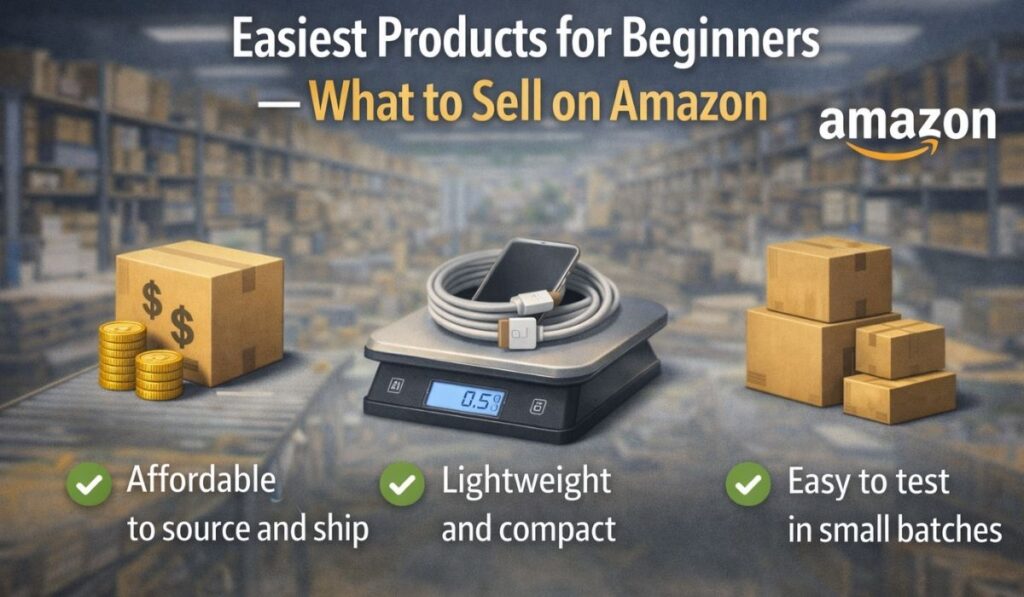
Easiest Products for Beginners – What to Sell on Amazon
If you’re new to selling, focus on items that are:
- Affordable to source and ship
- Lightweight and compact
- Easy to test in small batches
Beginner-friendly options include phone accessories, small home gadgets, or basic fitness equipment. By starting with manageable products, new sellers can experiment with marketing strategies without significant financial risk.
How to Avoid Low-Demand or Saturated Products
Many sellers fail by picking items that are overrepresented on Amazon. To avoid this, analyze:
- Number of competing listings in your target category
- Sales trends over time to identify declining products
- Customer reviews for unmet needs or dissatisfaction
Selecting high-demand, low-competition products ensures that your listings are visible and more likely to convert into sales.
How Successful Sellers Decide What to Sell on Amazon
Experienced sellers follow a structured approach:
- Analyze trends and market gaps
- Test products with limited inventory
- Collect customer feedback and adapt offerings
- Refine product listings and optimize marketing
This systematic method allows sellers to scale successful products while minimizing losses on underperforming items.
PlugBooks Bookkeeping Helps Amazon Sellers Stay Organized
Managing multiple products, sales, and finances can be overwhelming. PlugBooks.io helps Amazon sellers:
- Keep accurate bookkeeping for all Amazon transactions
- Track revenue, fees, and expenses in real time
- Make informed financial decisions for higher profits

FAQs
Q1: What small items are profitable to sell on Amazon?
A1: Small, lightweight items like phone accessories, kitchen gadgets, and fitness bands often sell well and reduce shipping costs.
Q2: How can I find low-competition products for Amazon?
A2: Use tools like Jungle Scout or Helium 10 to analyze listings and sales. Focus on niche markets with high engagement and less saturation.
Q3: Which Amazon categories generate consistent revenue?
A3: Categories like health & fitness, pet supplies, home & kitchen, and electronics accessories often provide stable sales year-round.
Q4: How do trending products change throughout the year?
A4: Seasonal items peak during holidays, while some categories like fitness or home essentials maintain steady demand throughout the year.
Q5: Can beginners make money selling on Amazon without inventory?
A5: Yes. Using fulfillment by Amazon (FBA) or dropshipping models, beginners can sell products without storing large inventories.
Q6: What products can I sell on Amazon?
A6: You can sell a wide range of items, including electronics accessories, fitness gear, kitchen tools, home organization products, and niche hobby items.
Q7: What products can be sold on Amazon?
A7: Both physical and some digital products can be sold. Popular options include trending gadgets, eco-friendly items, seasonal products, and specialty niche goods.
Quick Recap
- Conduct thorough research to identify products with demand and potential profit.
- Focus on profitability, not just popularity.
- Explore trending and niche products to stay competitive.
- Beginners should start with manageable, low-risk items.
- Use PlugBooks to make informed, data-driven decisions.

Conclusion
Determining what to sell on Amazon is the foundation of a successful e-commerce business. By combining market research, trend analysis, and smart testing, sellers can uncover profitable opportunities.
Tools like PlugBooks.io simplify tracking and inventory management, helping sellers grow their business strategically and sustainably.