



If you’re searching for a low-investment way to start an online business, Amazon return pallets have likely caught your attention. In 2026, this business model is growing fast—but it’s also widely misunderstood.
Every year, Amazon processes millions of product returns. Instead of restocking each item individually, many are bundled into pallets and sold through liquidation partners at heavily discounted prices.
At first glance, it sounds simple: buy cheap → sell high.
But in reality, it’s a business model that requires strategy.
Some items will be brand new, some lightly used, and others completely unsellable. That’s why understanding the process, risks, and updated 2026 policies is essential before you invest.
Key Takeaways
- Amazon return pallets are bulk bundles of returned or overstock items
- You must buy through liquidation partners, not directly from Amazon
- Profit margins can reach 30–50% with experience
- Shipping and hidden costs impact your actual profit
- Beginners should start small and scale gradually
What Are Amazon Return Pallets?
Amazon return pallets are bulk lots of returned, unsold, or excess inventory sold to resellers at discounted rates.
These pallets may include:
- Home & kitchen products
- Tools and hardware
- Electronics
- Fitness equipment
- Toys and accessories
Instead of processing each return individually, Amazon liquidates inventory in bulk to recover value and reduce operational costs.
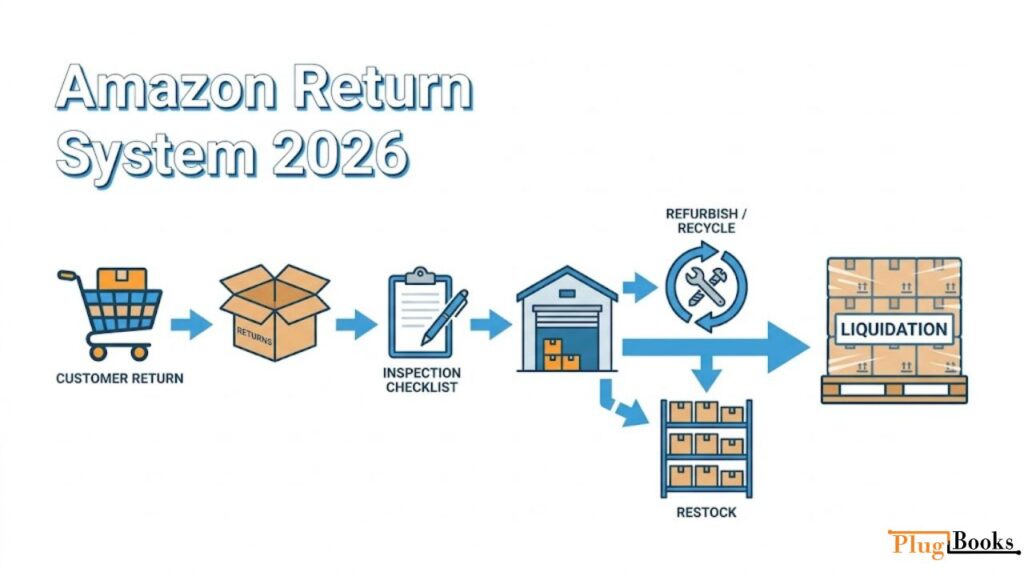
How Amazon’s Return System Works (2026 Updated)
Understanding the backend flow helps you make smarter buying decisions.
Step-by-step process:
- A customer returns a product
- The item is inspected
- Based on condition, it is:
- Restocked
- Refurbished
- Liquidated in bulk
In 2026, Amazon continues to focus on:
- Faster inventory turnover
- Waste reduction
- Efficient bulk liquidation
👉 This is why more pallets are available in the market today.
Amazon Return Pallet Policies (2026)
Amazon Doesn’t Sell Directly
You cannot buy pallets directly from Amazon warehouses.
All inventory is sold through liquidation partners.
No Returns or Refunds
All pallet purchases are final:
- No returns
- No exchanges
- No guarantees
Business Verification
Many platforms require:
- Business registration
- Resale certificate
This ensures proper tax compliance.
Auction-Based Pricing
Most pallets are sold via bidding systems where prices depend on demand and product quality.
Seasonal Supply Increase
After holidays, especially January, return volume increases—creating more pallet inventory.
Step-by-Step: How to Buy Amazon Return Pallets
1: Choose a Trusted Platform
Start with verified liquidation marketplaces connected to Amazon supply chains.
2: Pick the Right Category
Beginner-friendly categories:
- Home & kitchen
- Tools
- Small appliances
Avoid electronics and clothing at the start.
3: Analyze the Manifest
Always review the item list if available.
Check:
- Product types
- Quantity
- Brand value
- Resale demand
4: Calculate Total Cost
Include:
- Purchase price
- Shipping fees
- Platform charges
- Repair costs
👉 Many beginners ignore shipping and lose profit.
5: Place Bid Smartly
Set a budget and avoid emotional bidding.
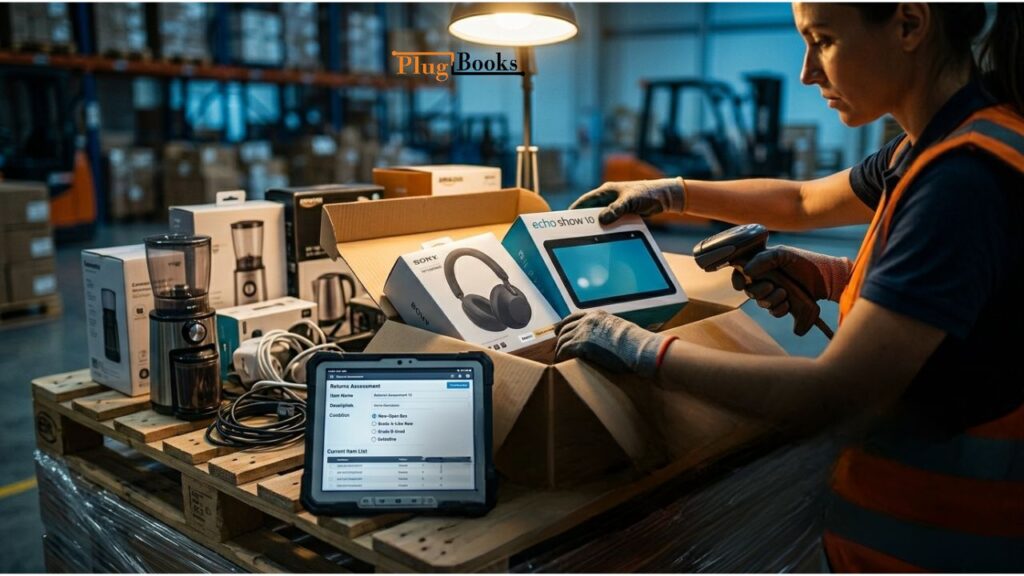
6: Inspect Inventory
When your pallet arrives:
- Record unboxing
- Test items
- Sort into sellable and unsellable
7: Resell Strategically
Sell on:
- eBay
- Facebook Marketplace
- Shopify
👉 Your profit depends on how well you sell—not just what you buy.
Common Problems Beginners Face
Profit Tracking Confusion
Many beginners fail because they don’t track:
- Real expenses
- Net vs gross profit
Between shipping, damaged goods, and selling fees, profits can quickly disappear.
👉 This is where tools like PlugBooks help by automatically tracking expenses, syncing sales data, and showing your actual profit in one dashboard.
High Shipping Costs
Shipping pallets is expensive and often underestimated.
Unsellable Inventory
Not every item will be usable—expect losses.
Wrong Category Selection
Clothing and electronics often lead to beginner mistakes.
No Resale Plan
Buying without knowing where to sell leads to stuck inventory.
Safety Tips (Avoid Scams in 2026)
- Use only verified liquidation platforms
- Avoid “too cheap” deals on social media
- Never pay outside official systems
- Check seller credibility
- Record unboxing for proof
👉 Scams are one of the biggest risks in this business.
Best Amazon Return Pallets for Beginners
Home & Kitchen
- Low risk
- Easy resale
- High demand
Tools & Hardware
- Strong resale value
- Consistent demand
Small Appliances
- Good margins
- Recognizable items
Fitness Equipment
- Trending niche
- Easy online selling
Scaling Your Pallet Business
Once you gain experience, scaling becomes the next step.
As your Amazon return pallet business grows, managing finances manually becomes difficult. Tracking multiple sales channels, expenses, and profits can quickly get messy.
Using a solution like PlugBooks simplifies bookkeeping, automates reporting, and helps you focus on growth instead of spreadsheets.
👉 This is where beginners transition into serious sellers.

Turn Pallet Flipping into a Real Business
If you’re serious about making consistent profit from Amazon return pallets, tracking your finances is just as important as sourcing inventory.
PlugBooks helps ecommerce sellers:
- Track real profit after all costs
- Sync sales across Amazon, eBay, and Shopify
- Automate bookkeeping and reports
👉 It’s a smart way to turn small pallet flips into a scalable business.
FAQs
1. How much profit can you realistically make from Amazon return pallets?
Most beginners earn 20–40%, while experienced sellers can reach 50% or more.
2. Do Amazon return pallets include brand-name products?
Yes, many pallets include branded items depending on the category.
3. How long does it take to sell items from a pallet?
It can take a few days to several weeks based on demand and platform.
4. Are Amazon return pallets good for starting an online business?
Yes, they offer a low-cost entry, but require strategy and consistency.
5. What is the difference between manifested and unmanifested pallets?
Manifested pallets include item lists, while unmanifested pallets are mystery lots.
6. Can you buy Amazon return pallets internationally?
Yes, but shipping and import costs may reduce profit margins.
7. What are the best platforms to resell pallet items quickly?
eBay, Facebook Marketplace, and local selling apps work best.
Quick Recap
- Amazon return pallets = bulk returned goods
- Sold via liquidation partners
- No refunds or guarantees
- Profitable with the right strategy
- Risky without planning
Conclusion
Amazon return pallets in 2026 offer a real opportunity—but only if you approach them with the right mindset.
If you:
- Start small
- Choose smart categories
- Track your finances
👉 You can build a profitable reselling business
But if you ignore costs and chase cheap deals, losses are almost guaranteed.
2 thoughts on “Amazon Return Pallets Guide 2026 Profit Tips”