



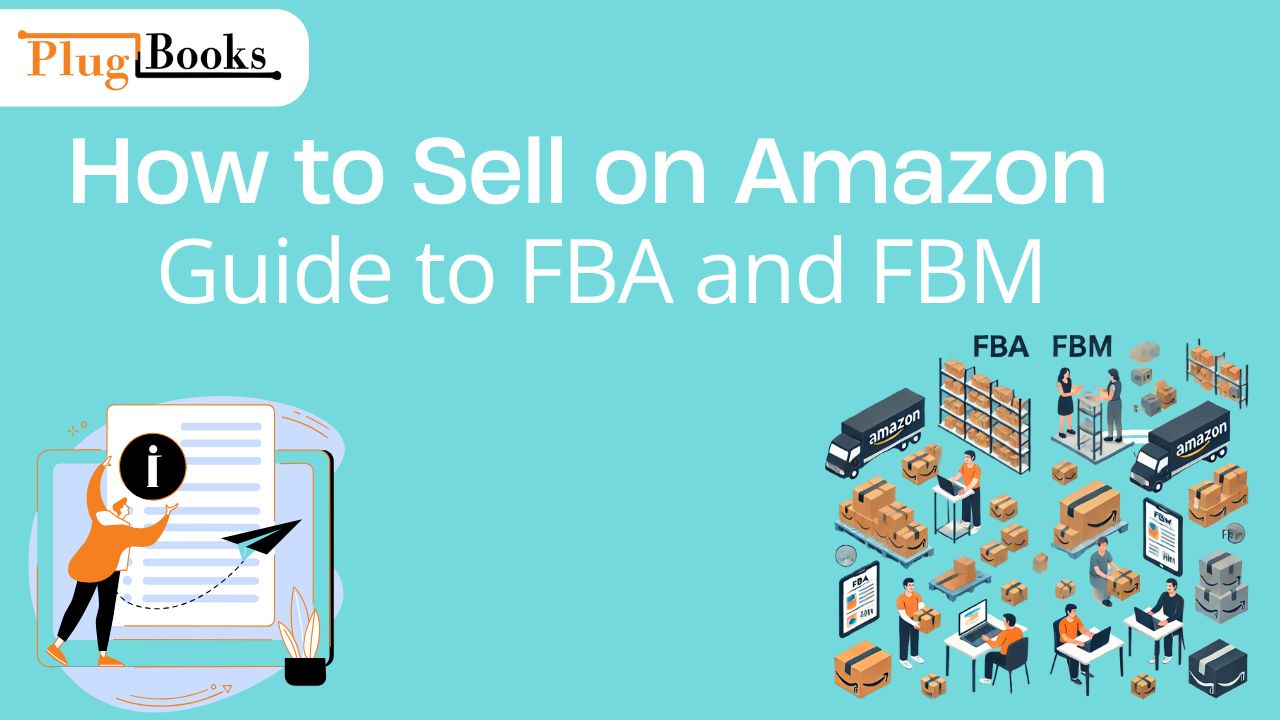
How to Sell on Amazon offers a huge opportunity for business growth. With millions of customers searching for everything from gadgets to home décor, Amazon can transform your venture, whether you run a small business or want to earn extra income.
From setting up your account to optimizing your listings, this guide will walk you through the entire Amazon selling process. Ready to get started? Let’s dive in!
How to sell on Amazon: Your Complete Beginner’s Manual
Step 1: Create your Amazon Seller Account.
Create an Amazon Seller account on Seller Central to begin going. Two account models are available to you:
- Individual Account: Best for individuals selling less than forty goods every month is an individual account. Though a $0.99 charge per item sold, there are no monthly costs.
- Professional Account: Perfect for those monthly sales with more than forty goods. With more selling tools and capabilities, this choice runs $39.99 a month.
Step 2: Choose Your Goods
When it comes to Amazon sales, choosing the correct items is crucial. Here’s a guide on prudent choice:
- Demand Research Product: Discover most sought-after products using Google Trends or Amazon Best Sellers.
- Think of niche markets: Products falling into specialized markets can have less competition.
- Review Profit Margins: Consider Amazon’s fees to make sure your profit margin is decent.
Step 3: is to draft your product listings.
List your items once you have chosen what to offer. Here’s how you differentiate your listings:
- Create lucid titles: Add significant keywords to your title to raise search engine results.
- Use High-Quality Images: Incorporate several high-quality photographs as good ones help your items stand out.
- Specific Descriptions: Give all required product information—size, color, features—so consumers know precisely what they’re getting.
Step 4: choose your fulfillment strategy.
Decide then how you will manage product delivery. Your two primary choices are:
- Amazon’s FBA makes one happy: You ship your goods to Amazon’s warehouse, and they handle customer service, storage, and delivery. One benefit FBA provides is Prime eligibility.
- Merchant (FBM) Fulfillment means you handle and transport the goods yourself. Although FBM increases your control, it also calls for more work.
Step 5: Get Competitive Prices
On Amazon, competitive prices are very crucial for success. The following is some advice:
- Investigators of rivals: To remain competitive, consider what items are costing.
- Factor Amazon fees—which the company charges for referrals—as well as FBA expenses should you employ FBA into your price.
- Amazon’s automatic pricing feature: Saves you time by helping to change rates depending on competition pricing.

Step 6: Promote client reviews.
On Amazon, a product’s success greatly relies on customer reviews. Here’s how you develop and keep up a great review profile:
- Deliver first-rate service: Good evaluations and pleased consumers follow from quick replies and problem-solving.
- Request reviews. Ask consumers kindly to post reviews (not against Amazon policies).
- Handle negative reviews: Professionally handle problems and provide answers to demonstrate your clients your concern.
Step 7: Marketing Your Listings
Getting recognized on Amazon calls for work even with amazing items. Here are several options to advertise your listings:
- AWS Supported Products: Raise the profile of your goods with Amazon’s PPC advertising.
- Run specials and discounts. Discount offers or participation in Amazon’s Lightning Deals will draw more customers.
- Share your goods on sites like Instagram, Facebook, and Twitter to generate additional traffic, not depending just on Amazon.
Step 8: Examine and Improve Performance
You’ll want to monitor how your listings fare after they are live:
- Track sales and visitors by using Amazon Seller Central.
- Update your listings depending on sales statistics or customer comments to maintain their attractive and relevant quality.
- Once a winning product has been discovered, boost inventories or extend your product line.
How to Sell on Amazon: Essential Tips for New Sellers
These more suggestions are for anyone just beginning their journey:
- Start Small: Before you scale, test the market with a modest inventory.
- Recognize Amazon’s policies: Learn about Amazon’s seller rules to stay out from under fines.
- Maintaining organization: Track orders, supplies, and finances using spreadsheets or inventory systems.
How to Sell on Amazon: Maximizing Your Product Visibility
Being seen on Amazon’s marketplace calls for more than simply product listings. Here’s how you guarantee your items stand out:
- Optimize Listings for SEO: By using pertinent keywords all through your bullet points, title, and description.
- Run sponsored ads: Using Amazon Sponsored Products to raise awareness.
- Use Amazon’s Enhanced Brand Content—should you be a registered brand—to build aesthetically pleasing product pages.

How to Sell on Amazon: Understanding Seller Fees and Costs
Understanding Amazon’s charge system helps one to prevent surprises:
- Referral Fees: Based on the product type, a percentage of every sale
- FBA or fulfillment fees: Storage, packing, and delivery expenses should you choose FBA.
- Including advertising and returns—which could eat into your earnings—adds further expenses.
How to Sell on Amazon: Creating a Brand Identity on the Marketplace
- Differentiating yourself mostly depends on developing a recognizable brand:
- Regular branding: Over all of your product listings, use the same style, tone, and images.
- Create a gripping brand narrative. Tell the tale behind your items to really connect with them.
- Use Enhanced Brand Content (EBC) To visually appeal your listings whether or not you are a registered brand.
Conclusion:
Learning how to sell on Amazon need not be daunting. These guidelines will help you to be well on your way to build a profitable company. Recall that consistency is key; constantly improving your listings, offering first-rate customer service, and monitoring your performance to guarantee development.
For more tips, tools, and resources to help you succeed as an Amazon seller, visit PlugBooks.io. We’re here to help you streamline your business and optimize your selling process!
FAQs:
1. Do I need a business to start selling on Amazon?
No, you can sell as an individual or a registered business. Individual accounts have no monthly fee but higher per-item selling costs.
2. What are the costs involved in listing products on Amazon?
Amazon charges referral fees on each sale and subscription fees for professional sellers. Fees vary depending on category and selling plan.
3. How quickly can I start making sales on Amazon?
You can set up your account and list products within a few hours, but building visibility and consistent sales may take several weeks.
4. Can I sell used or second-hand items on Amazon?
Yes, Amazon allows selling used, refurbished, or pre-owned products in many categories, though some restrictions apply.
5. How do I improve product visibility on Amazon?
Optimize your listings with high-quality images, keyword-rich titles, detailed descriptions, competitive pricing, and good reviews. Fast shipping also helps.
6. Do I need to use Fulfillment by Amazon (FBA) to sell effectively?
FBA isn’t mandatory, but it increases buyer trust, speeds up shipping, and makes products eligible for Prime, boosting sales potential.
4 thoughts on “How to Sell on Amazon: Guide to FBA and FBM”