



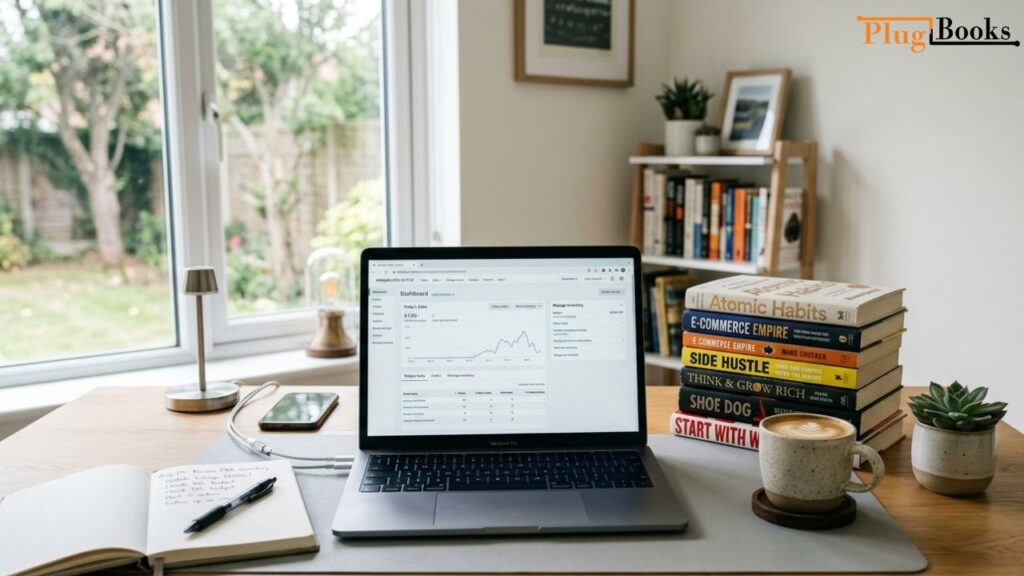
How to sell used books on Amazon in 2026 is one of the easiest ways to earn extra income or even start a small business. With millions of daily buyers, Amazon allows your books to reach a global audience quickly. Whether you’re decluttering your shelves, selling textbooks, or flipping rare editions, mastering this process can make selling profitable and efficient.
Here’s what you’ll learn in this guide:
- How to identify the right books to sell
- Step-by-step listing and pricing strategies
- Choosing between FBA and FBM fulfillment
- Sourcing used books ethically and profitably
- Risk management and Amazon policy compliance
- A practical 30-day plan to launch your first sales
How to Sell Used Books on Amazon Profitably
Selling used books on Amazon in 2026 can be highly profitable if done strategically. From sourcing books ethically to choosing the right fulfillment method, mastering how to sell used books on Amazon ensures small or part-time sellers can generate consistent profits while staying compliant with Amazon policies.
How to Sell Books on Amazon: Used, New, and Collectible Books
Amazon allows sellers to offer different types of books, including used, new, rare, and collectible editions. While the basic selling process is similar, requirements, condition details, and profit potential can vary depending on the type of book you sell.
For beginners, used books can be an accessible option because you can start with books you already own or source inventory gradually. Before listing any book, identify the correct edition, compare competing offers, and calculate the fees and fulfillment costs.
By following these steps, even a small seller can maximize profits while maintaining compliance with Amazon’s rules.
Should You List Your Pre-Owned Books on Amazon?
Amazon is the world’s largest online marketplace, but not every used book will thrive there. Before investing time or money, ask yourself:
- Is there demand? Check how many listings exist for your book and how quickly they sell. Textbooks and rare editions tend to move the fastest.
- Are fees acceptable? Amazon charges referral fees (usually 15% for books) plus either $0.99 per sale for Individual plans or a $39.99 monthly fee for Professional plans.
- Do you need global reach? Amazon connects you to millions of potential buyers, unlike local marketplaces.
- Alternative channels: Some rare, collectible, or niche books may perform better on AbeBooks, eBay, or specialized book marketplaces.
Tip: Conduct market research by searching your book’s title or ISBN on Amazon to gauge competition, demand, and pricing.
How Can You Start Selling Used Books on Amazon With Low Upfront Costs?
One of the easiest ways to start selling used books on Amazon is by using books you already own. This allows you to test the marketplace without spending heavily on inventory.
To keep your startup costs low:
- Start with books already on your shelves.
- Source small batches before buying inventory in bulk.
- Compare FBA and FBM costs before choosing a fulfillment method.
- Calculate Amazon fees, shipping, and packaging costs before listing.
Starting small can help you understand demand and profitability before investing more money in inventory.
Amazon Fulfillment Options for Each Book Type
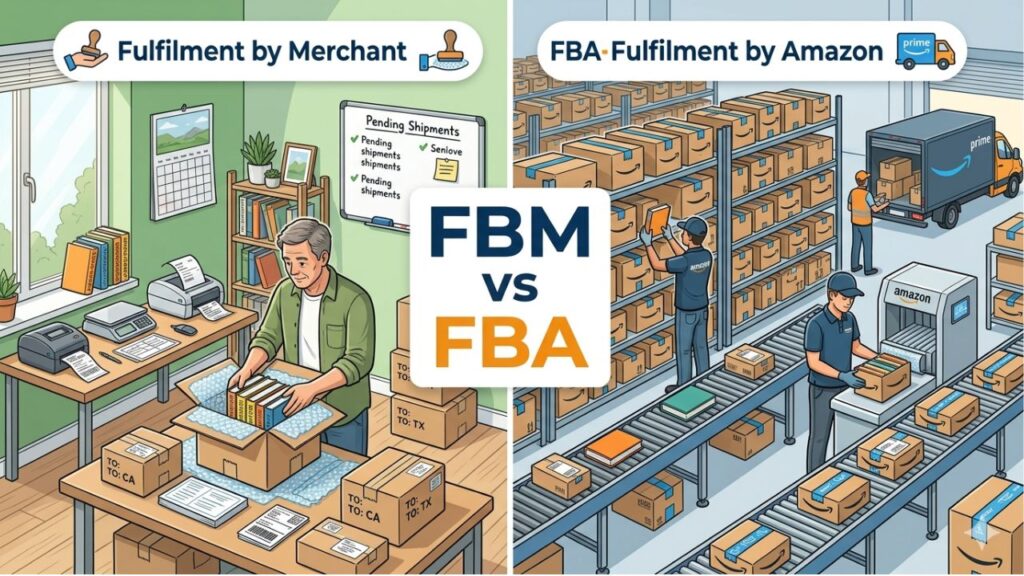
Amazon offers two primary ways to fulfill orders: Fulfillment by Merchant (FBM) and Fulfillment by Amazon (FBA). Each has its advantages depending on the type of book and your selling volume.
Fulfillment by Merchant (FBM)
- You handle shipping: You store, package, and ship books yourself.
- Control: Full oversight of packaging quality and shipping times.
- Best for: Low-volume sellers, fragile books, or heavy/oversized books that are expensive to ship through Amazon.
Fulfillment by Amazon (FBA)
- Amazon handles logistics: You ship books to an Amazon warehouse, and they manage storage, packing, shipping, and customer service.
- Prime eligibility: Your books gain access to millions of Prime customers, increasing visibility.
- Best for: High-volume sellers or fast-moving titles.
Tip: Sellers who understand FBA vs FBM demonstrate expertise in logistics management, reducing risk and improving buyer trust.
Where to Find Books That Sell Without Breaking Rules
Your profit depends largely on sourcing books cost-effectively and ethically. Some reliable strategies include:
- Thrift stores and library sales: Often overlooked, these venues can provide rare or in-demand books at minimal cost.
- Garage sales and estate sales: Great for finding bulk books inexpensively.
- Online wholesalers: Sites like eBay or Facebook Marketplace can offer bulk lots.
- Check condition: Avoid books with excessive wear, missing pages, or water damage unless disclosed.
- Profit margin analysis: Focus on books with a resale value at least 2–3x your purchase cost after Amazon fees and shipping.
What Types of Used Books Sell Best on Amazon?
Not every used book has the same resale potential. Books with strong demand, limited availability, or specialized audiences can offer better selling opportunities.
Some categories worth researching include:
- Textbooks: Demand can increase during school and university seasons.
- Rare and collectible books: First editions, signed copies, and out-of-print titles may attract collectors.
- Niche nonfiction: Specialized topics such as history, business, hobbies, and professional subjects can have dedicated audiences.
- Popular fiction: Well-known titles and bestselling series may sell consistently when priced competitively.
- Children’s books: Popular titles and complete sets can attract steady demand.
Before buying inventory, check the specific edition, condition, competition, Amazon fees, and expected selling price.
Listing & Pricing Strategy
Accurate listings and strategic pricing are crucial to Amazon success.
Listing Your Books
- Use the ISBN for precise matching.
- Select the correct condition: Like New, Very Good, Good, Acceptable.
- Add clear photos, especially for rare or collectible editions.
- Mention special features like autographs, limited editions, or annotations.
- Verify the edition: Make sure the ISBN, edition, format, and publication details match the book you are listing. Different editions of the same title can have very different market values.
- Describe the condition accurately: Clearly disclose highlights, notes, writing, cover wear, or other visible issues. Accurate condition details can reduce returns and help build buyer trust.
Pricing Your Books
- Check the current market price for similar condition books.
- Factor in Amazon fees: Referral fees + shipping + plan cost.
- Price slightly lower than competitors for faster turnover, or higher if the book is rare or in high demand.
Tip: Monitor listings weekly and adjust pricing as needed. Tools like Keepa or CamelCamelCamel can help track price trends.
Managing Risks and Staying Compliant on Amazon
Amazon has strict rules to protect buyers and maintain marketplace integrity. Violating policies can result in account suspension. Key points:
- Disclose damage: Accurately describe any wear, markings, or missing pages.
- Follow copyright rules: Avoid selling pirated or unauthorized copies.
- Returns & refunds: Handle returns promptly and professionally.
- Account metrics: Maintain a seller rating above 90% and monitor late shipments.
Is Amazon Book Selling Right for Small Sellers?
Small sellers can still thrive on Amazon by focusing on strategy:
- Low startup cost: Sell books you already own to test the market.
- Target niches: Collectibles, textbooks, and popular genres often outperform generic novels.
- Leverage FBA for fast movers: Reduces manual shipping and improves buyer satisfaction.
- Start small and scale: Begin with 10–20 books and expand as you gain experience.
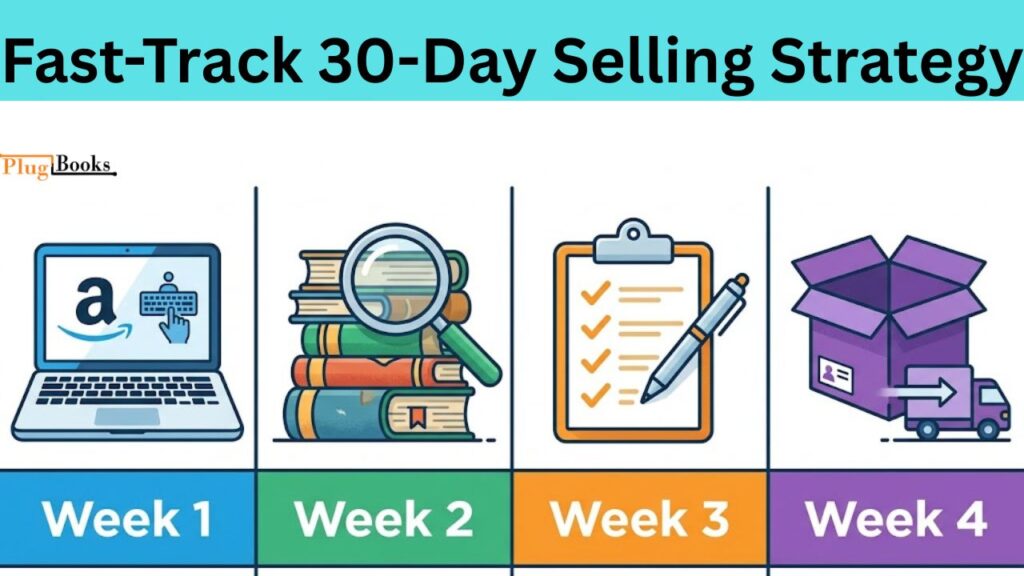
Fast-Track 30-Day Selling Strategy
A structured plan ensures you hit the ground running.
1:
- Set up your Amazon seller account.
- Choose Individual vs Professional plan.
- Understand Amazon fees and policies.
2:
- Source your first batch of 10–20 books.
- Inspect and grade conditions accurately.
- Take high-quality photos and note special features.
3:
- List books on Amazon with optimized titles, descriptions, and pricing.
- Decide FBA vs FBM per book.
- Monitor competitor pricing.
4:
- Ship via FBM or send to FBA.
- Track sales and monitor buyer feedback.
- Adjust pricing or listings based on market response.
Shipping & Customer Service Tips
- Use padded envelopes or cardboard mailers to prevent damage.
- Ship orders promptly to maintain a high seller rating.
- Respond to customer questions quickly and professionally.
- Consider adding a personal touch, like a thank-you note, to encourage positive reviews.
Tracking Profits & Analytics
Profitability depends on knowing your numbers:
- Purchase cost: How much you paid for the book.
- Amazon fees: Referral fees + plan cost + optional FBA fees.
- Shipping costs: Include envelopes, boxes, postage.
- Net profit: Subtract fees and shipping from sale price.
Expert tip: Integrate sales tracking with PlugBooks, QuickBooks, or Xero to automate accounting and stay compliant with tax regulations.

Quick Recap
- Confirm Amazon is the right platform for your books.
- Choose the fulfillment method per SKU: FBA or FBM.
- Source books ethically while maximizing profit potential.
- List accurately with competitive pricing.
- Manage risks, returns, and Amazon policies.
- Follow a 30-day action plan to launch sales effectively.
Common Questions About Selling Used Books
1. How much profit can I realistically make selling used books on Amazon in 2026?
Profit depends on the book type, condition, and sales strategy. Textbooks, rare editions, and collectible books usually offer higher margins, sometimes 50–200% per sale. Novels or common titles may yield smaller profits ($2–$5 per book), but volume sales can add up. Always account for Amazon referral fees, shipping costs, and plan fees to calculate net profit accurately. Using tools like PlugBooks or QuickBooks can help track true profitability and ROI.

2. Should I use FBA or FBM for selling small batches of pre-owned books?
For small batches, FBM is often better, as you maintain control over packaging, avoid FBA storage fees, and can test demand without committing inventory to Amazon warehouses. However, FBA is ideal for fast-selling or high-volume titles because it offers Prime eligibility, faster shipping, and better visibility in the Buy Box. Many sellers combine both: rare or high-value books via FBM, and high-demand, fast-moving books via FBA.
3. Where is the best place to source used books for Amazon resale?
Advanced sellers source from multiple channels to balance cost and quality:
- Local thrift stores, library sales, and garage sales – inexpensive and often overlooked.
- Estate sales – good for rare, collectible, or vintage books.
- Bulk online lots – platforms like eBay, Facebook Marketplace, or book liquidation sites.
- Specialized book wholesalers – for textbooks or niche genres.
Pro Tip: Always check the resale value on Amazon first before buying bulk, and inspect a sample for condition, edition, and completeness.
4. How do Amazon fees impact pricing strategies for used books?
Amazon charges a referral fee (usually 15% for books) and, depending on your plan, either a $0.99 fee per sale (Individual plan) or a $39.99 monthly Professional fee. FBA sellers also pay storage and fulfillment fees. To price competitively, subtract all fees and shipping costs from your expected sale price, then adjust based on demand and condition. Tools like Keepa or CamelCamelCamel can help track competitor pricing trends and maintain margins.
5. What are the most common mistakes new sellers make with used books on Amazon?
Some pitfalls to avoid:
- Misgrading condition – overstating book quality leads to returns and negative reviews.
- Ignoring fees – failing to factor in Amazon and shipping fees can turn sales unprofitable.
- Poor listing optimization – missing keywords, inaccurate titles, or unclear photos reduce discoverability.
- Overbuying inventory – buying in bulk without testing demand risks unsold stock.
- Neglecting customer service – slow responses, late shipments, or unprofessional communication can damage ratings.
Expert Tip: Start small, test demand, and use both analytics and feedback to refine sourcing, pricing, and listings.
Conclusion
Selling used books on Amazon in 2026 is accessible to anyone willing to research, price competitively, and follow best practices. By sourcing ethically, listing accurately, and managing fulfillment strategically, you can turn pre-loved books into a consistent income source. Small sellers, part-time hobbyists, and seasoned resellers alike can benefit from Amazon’s global reach, provided they approach it with diligence and planning.
With the right strategy and tools, your used books can find new homes—and generate profits—faster than ever in 2026.
One thought on “How to Sell Used Books on Amazon in 2026”