



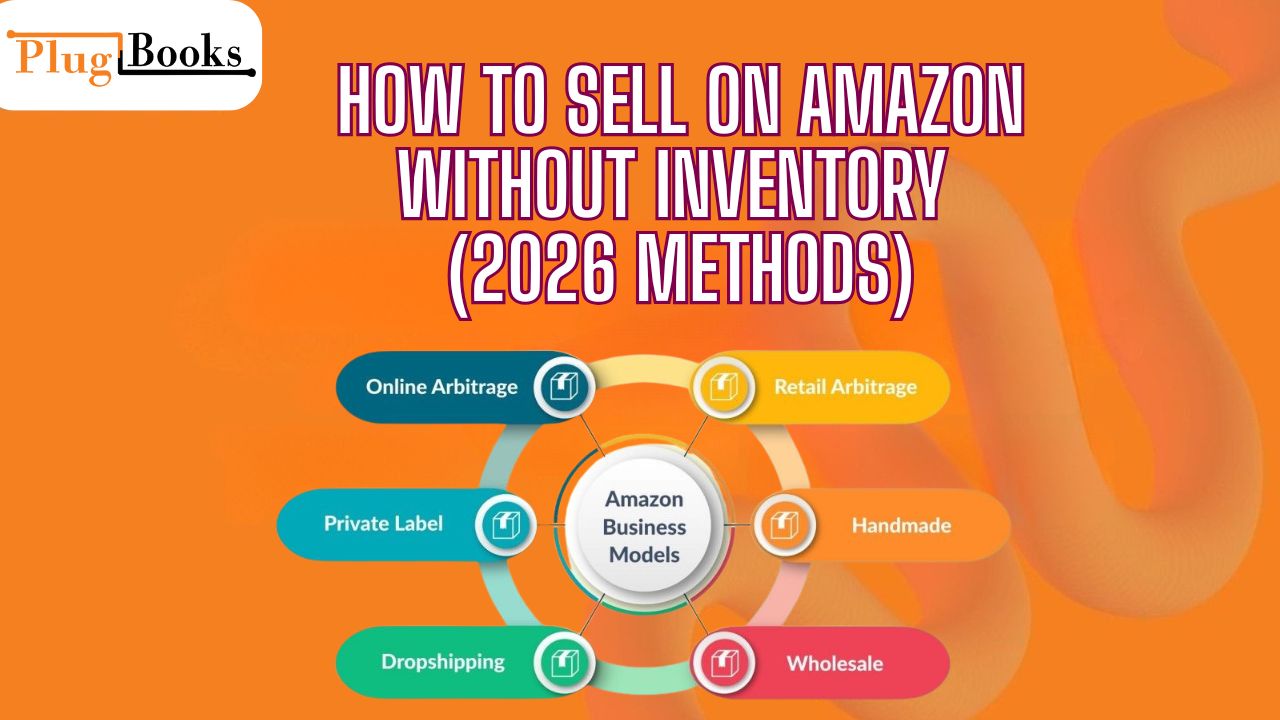
How to sell on Amazon without inventory is a question many beginners ask when they want to start an online business without investing heavily in products or storage. Starting an online business used to require large investments in inventory, storage, and shipping logistics.
Today, Amazon offers multiple ways for entrepreneurs to launch a business without stocking products themselves. These modern approaches allow sellers to focus on marketing, product selection, and customer experience rather than warehouse management.
In 2026, several business models make this possible, including dropshipping, print-on-demand, digital products, and Amazon fulfillment services. Each method has its own advantages, costs, and operational requirements. By learning how these strategies work, sellers can choose a model that fits their budget and long-term goals.
Key Takeaways
- Inventory-free selling reduces startup costs and financial risk.
- Several proven methods exist in 2026 for selling on Amazon without inventory.
- Supplier reliability and product research remain critical for success.
- Understanding Amazon’s policies protects your account.
- Consistent account management improves long-term profitability.
Benefits of Selling on Amazon Without Inventory
Selling without inventory offers flexibility that traditional retail models cannot provide. One of the biggest benefits is the ability to start with minimal capital. Instead of investing in bulk purchases, sellers only pay for products after customers place orders.
This approach also reduces risk. If a product does not perform well, sellers can quickly adjust their catalog without worrying about unsold stock. As a result, businesses can experiment with multiple niches and identify profitable opportunities faster.
Another advantage is operational simplicity. Storage, packaging, and shipping tasks are handled by suppliers or fulfillment services, allowing entrepreneurs to focus on growing their online presence.

Why Is It Worth Starting to Sell on Amazon?
Amazon remains one of the most powerful e-commerce platforms in the world. Millions of shoppers visit the marketplace daily, giving sellers immediate exposure to a global audience.
The platform also provides tools that simplify online selling. From payment processing to advertising features, Amazon offers an ecosystem that helps sellers build and scale businesses efficiently.
Trust plays another important role. Customers are more likely to purchase products from a platform they already know and trust, which increases the chances of generating consistent sales.
When Is the Right Time to Start Selling on Amazon?
The best time to start selling on Amazon is when you have researched a viable product and understand the selling model you plan to use. Market trends change frequently, so early research helps sellers identify profitable niches before competition increases.
Seasonal demand can also influence timing. Certain products perform better during holidays or specific seasons, giving sellers opportunities to capitalize on rising demand.
However, waiting for perfect conditions may delay progress. Many successful sellers start small, gain experience, and gradually scale their businesses.
What’s the Difference Between Traditional Selling and Selling Without Inventory on Amazon
Traditional Amazon selling typically involves purchasing products in bulk and storing them in a warehouse or Amazon fulfillment center. Sellers manage inventory levels, shipping logistics, and product storage.
Inventory-free models operate differently. Instead of stocking items, sellers partner with suppliers who produce or ship products when orders are received. This reduces financial risk but requires reliable partnerships and efficient order management.
Both approaches can be profitable, but inventory-free strategies are often more accessible for beginners.
How to Sell on Amazon Without Inventory
Learning how to sell on Amazon without inventory begins with selecting the right business model and setting up an Amazon Seller account. Once the account is active, the next step is identifying products with strong demand and manageable competition.
After selecting products, sellers work with fulfillment partners such as dropshipping suppliers or print-on-demand providers. These partners handle manufacturing or shipping once a customer places an order.
The seller’s primary responsibility becomes managing listings, marketing products, and ensuring customers receive quality service.
How to Choose the Best Method for an Amazon Business
Choosing the right method depends on several factors, including budget, technical skills, and long-term business goals.
Entrepreneurs with limited funds often prefer dropshipping because it requires minimal upfront investment. Creative individuals may choose print-on-demand because it allows them to sell custom designs.
Others may focus on digital products or Amazon’s fulfillment services depending on their experience and resources. Evaluating these options helps sellers select the most suitable strategy.
Popular 2026 Methods to Sell on Amazon Without Inventory
1. Dropshipping
Dropshipping remains one of the most widely used methods for inventory-free selling.
Why Is Dropshipping So Popular?
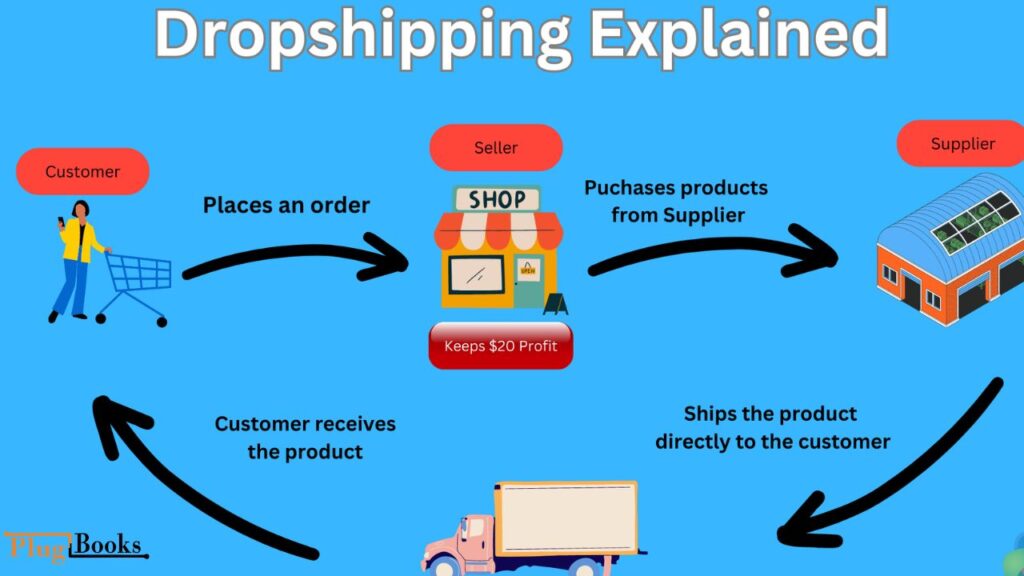
Dropshipping allows sellers to list products without purchasing them in advance. When an order is placed, the supplier ships the product directly to the customer. This process significantly lowers startup costs and simplifies logistics.
Do You Have a Reliable Supplier with Fast Shipping Speeds?
The success of dropshipping depends heavily on supplier reliability. Fast shipping, consistent product quality, and clear communication are essential for maintaining positive reviews and strong seller ratings.
2. Print-on-Demand
Print-on-demand businesses create customized products only after a customer places an order.
How Does It Work?
Designers upload artwork or graphics to a print service. When a customer purchases the product, the service prints the design on items such as shirts or mugs and ships them directly to the buyer.

Merch by Amazon Offers Several Benefits
Merch by Amazon allows creators to sell custom apparel without managing production or shipping. Amazon handles printing, fulfillment, and customer service, while creators earn royalties from each sale.
3. Fulfillment by Amazon (FBA)
Fulfillment by Amazon simplifies logistics by allowing sellers to store products in Amazon warehouses. Although some inventory is required, Amazon manages packing, shipping, and customer support.
Pros and Cons of FBA
Advantages
- Fast Prime shipping for customers
- Professional fulfillment services
- Increased customer trust
Disadvantages
- Storage and fulfillment fees
- Inventory planning requirements
How to Navigate the Costs and Benefits of Amazon FBA
Sellers using FBA must monitor costs carefully, including storage charges and referral fees. Efficient inventory planning and product pricing help maintain profitability.
4. Digital Products
Digital products are another method for selling without physical inventory.
Types of Digital Products
Examples include eBooks, templates, online guides, and educational content.
How It Works
Creators upload their digital content through Amazon publishing platforms. Customers purchase and download the files instantly without requiring shipping.
Pros and Cons of Selling Digital Products on Amazon
Digital products eliminate manufacturing and shipping costs, but competition can be high. Success depends on providing valuable content and effective keyword optimization.
Important Aspects to Keep in Mind When Selling Without Inventory
How to Choose Trending Products
Successful sellers consistently research product trends using marketplace data, search keywords, and competitor analysis. Identifying products with steady demand increases the chances of long-term profitability.
What Are Amazon’s Product Policies and Restrictions?
Amazon maintains strict policies regarding product quality, safety, and intellectual property. Certain categories require approval before listing, while others have specific compliance requirements.
Understanding these rules helps sellers avoid listing removals or account suspensions.
Why Is Regular Account Management Important?
Monitoring account performance ensures that sellers maintain good standing within the marketplace. Key metrics such as order defect rate, shipping performance, and customer feedback influence account health.
Regular monitoring allows sellers to address issues quickly and maintain positive customer experiences.
PlugBooks: Helping Amazon Sellers Simplify Accounting
Running an Amazon business involves tracking sales, fees, refunds, and payouts across multiple transactions. Without proper bookkeeping, it becomes difficult to understand profitability.
PlugBooks helps Amazon sellers organize financial data by integrating sales reports with accounting platforms such as QuickBooks and Xero. This automation reduces manual work and provides accurate financial insights.
With clear financial reporting, sellers can track profit margins, monitor expenses, and make informed decisions as their businesses grow.

FAQs
Can I really sell on Amazon without inventory in 2026?
Yes. Modern selling methods such as dropshipping, print-on-demand, and digital products allow entrepreneurs to operate without holding physical stock.
Which 2026 method is best for beginners?
Dropshipping and print-on-demand are popular choices for beginners because they require minimal startup costs and simple operations.
Is dropshipping allowed on Amazon?
Amazon permits dropshipping, but sellers must follow specific rules and ensure they remain the seller of record for their products.
Do I need special approval to sell certain products?
Some product categories require approval before listing. Sellers should review Amazon’s policies to confirm whether authorization is necessary.
Can I run an Amazon business from anywhere?
Yes. Since inventory-free models rely on suppliers and digital systems, sellers can manage their stores remotely.
How can I track my Amazon business profits?
Using automated bookkeeping tools like PlugBooks helps sellers organize transactions, monitor fees, and maintain accurate financial records.

Conclusion
Learning how to sell on Amazon without inventory has become one of the easiest ways to enter the e-commerce industry in 2026. Modern business models allow entrepreneurs to launch stores with minimal investment while focusing on product research, marketing, and customer service.
Whether you choose dropshipping, print-on-demand, digital products, or Amazon fulfillment services, the key to success lies in choosing reliable partners, understanding marketplace policies, and managing your account effectively.
With the right strategy and consistent effort, selling on Amazon without inventory can become a scalable and profitable online business.
5 thoughts on “How to Sell on Amazon Without Inventory (2026 Methods)”