



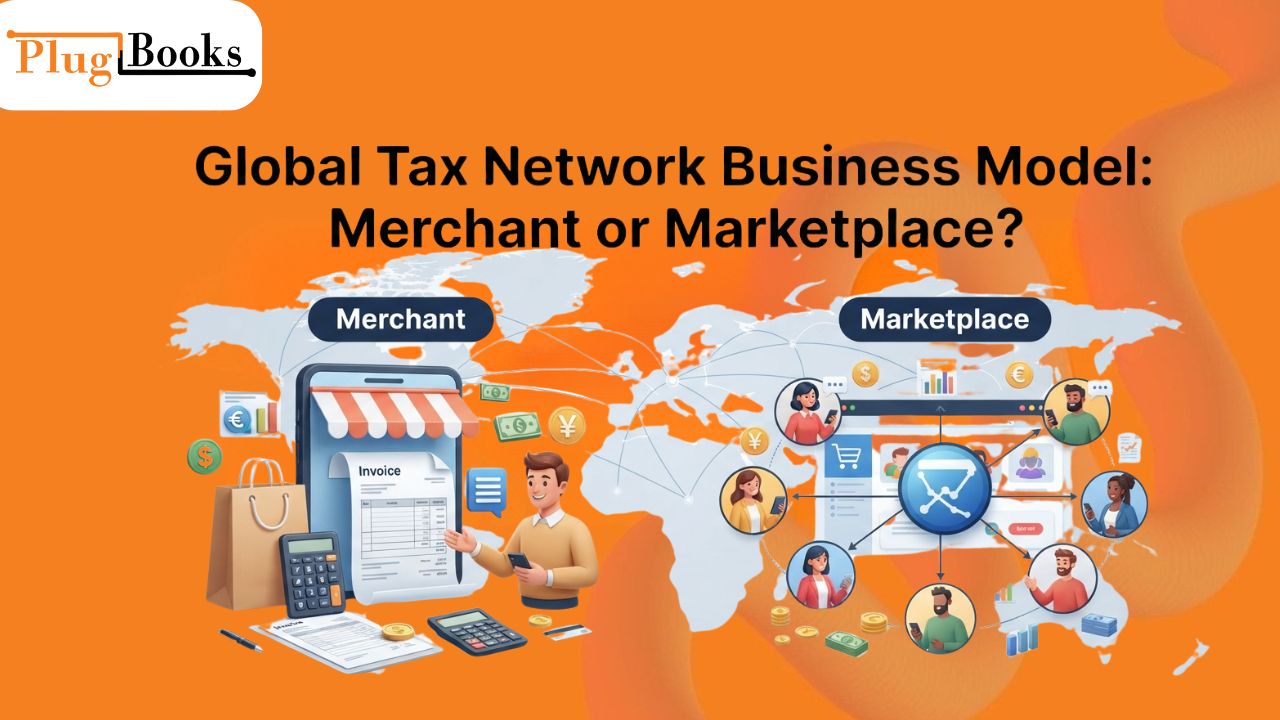
If you are researching the global tax network business model merchant or marketplace question, it helps to first understand what Global Tax Network (GTN) actually does. GTN describes itself as a specialized mobility tax services firm that helps companies and mobile employees manage cross-border tax issues, rather than as an ecommerce platform connecting buyers with third-party sellers.
That distinction matters because a merchant, marketplace, and professional tax services provider have very different business models. Their responsibilities for transactions, payments, taxes, and reporting can also differ.
What is the Global Tax Network?
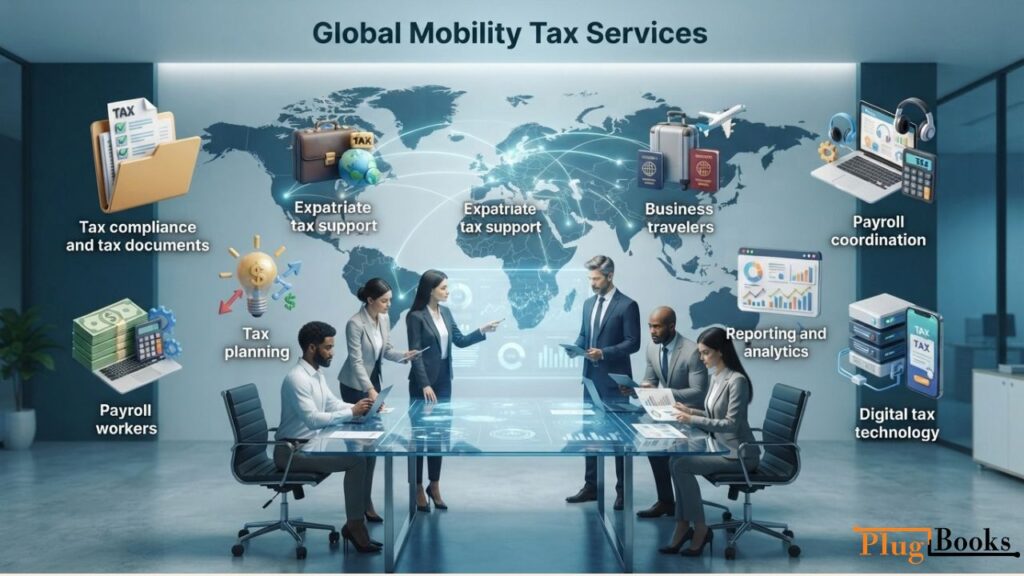
Global Tax Network is a professional services firm specialising in global mobility tax. GTN said its services serve corporate mobility initiatives and personnel with cross-border tax issues including expatriates, foreign nationals, business travellers, telecommuting, and permanent transfers.
GTN says it provides services on tax compliance, mobility program support, payroll coordination and other areas relating to employees operating across jurisdictions. The current services site states support for mobility programs, employees and tax needs by country and assignment type.
GTN provides professional services, and so its business model should not be automatically viewed as an ecommerce marketplace, unlike an ecommerce marketplace that operates a platform for independent sellers.
Global Tax Network Business Model Merchant or Marketplace: Key Differences
The main features of each model make the global tax network business model merchant or marketplace question clearer.
A merchant typically offers their own goods or services directly to customers. The seller of the transaction is the merchant who normally recognises the linked revenue and expenses.
However, a marketplace is a platform that allows independent merchants to sell items or services to clients. Depending on the platform and jurisdiction, it may also facilitate payments or have tax collection and transaction reporting duties.
GTN’s released content concerns professional tax services and worldwide mobility initiatives. The company’s focus is on aiding businesses and mobile employees with tax and compliance issues, not enabling sales between independent ecommerce vendors and buyers.
This is what sets GTN apart from a typical ecommerce marketplace where several independent merchants offer products directly to customers on a common platform.
What Services Does Global Tax Network Provide?
GTN’s present services focus on global mobility tax and related labour needs. Its service offering is tailored to serve firms that manage people working across state or international borders.
Some of the areas are:
Compliance with mobility tax
Tax assistance for expatriates
Business travel tax assistance
Tax considerations for remote employees
Permanent Transfer Assistance
Payroll co-ordination.
Tax Planning & Compliance
Support to mobility program
Technology and reporting assistance
Global mobility programs may also have overlapping tax and payroll needs in different countries, so coordination is a key part of managing a mobile workforce, GTN says.
What Are Global Mobility Tax Services?
Global mobility tax services help organisations address the tax and compliance concerns that can occur when employees work outside their normal country, state or location.
For example, an employee who transfers worldwide may have tax issues in both the home and host countries. A business traveller or remote employee who works out of another jurisdiction can also raise additional tax and payroll issues.
GTN says services related to mobility tax include payroll reporting, tax filings, tax equalisation, compensation, policy support and management of worldwide programs.
These services are different from ecommerce bookkeeping in that they are focused on employee mobility and the taxation of the workers across borders.
What Does Tax Global Mobility Mean?
Tax global mobility mainly refers to tax difficulties related with persons working, travelling or relocating across jurisdictions.
These issues can involve for business:
- Where an employee is liable to income tax
- Payroll reporting responsibilities
- The social security aspect
- Tax equalisation
- Business traveller adherence
- Tax exposure of teleworkers
- Tax filing requirements
- Disclosures of cross-border remuneration
The precise standards will vary depending on the facts of the employee and the relevant jurisdictions. According to the instructional material from GTN, the taxes of international mobility can include income tax, payroll, social security, income and costs, allowances and gross-ups.
Global Tax Network Customer Figures: What Is Publicly Available?
If you are looking for global tax network customer numbers you may be seeking for the number of firms, employees or clients GTN has.
GTN’s present public website, however, does not appear to offer a straightforward, up-to-date customer-count figure that may serve as a definite total. Instead, GTN discusses its client base in terms of enterprises with varied sizes of mobility populations and highlights its work with corporate mobility programs and mobile employees.
This is a crucial distinction for researchers. A corporation may define the scope of its services or the geographic area it serves, without disclosing a numerical number of clients. If you don’t have a current number directly from GTN or another trusted source, then it is best not to estimate the number of customers the organization has.
GTN does say that it has global links with tax service providers in over 100 countries. That’s a measure of its reach internationally, not a precise number of clients.
Global Tax Network Terms of Service
Another similar search is terms of service of the global tax network.
GTN publishes the terms and conditions of the website. The conditions specify that Global Tax Network US, LLC owns the website and sets out restrictions for access to the website, allowed usage, intellectual property and other website-related topics.
These website terms are separate and distinct from the commercial terms that may apply to a particular professional services contract. GTN also employs engagement agreements and service related documents for professional services.
For example, GTN’s privacy materials separate its website, professional services, My GTN Portal, and payment application.
Anyone contemplating the use of GTN services should consult the relevant agreement or terms for the particular service being used rather than general terms on the website.
Merchant vs Marketplace: Why Does the Difference Matter?
Tax reporting is a discussion where knowing the business model is extremely crucial.
A marketplace may enable transactions between buyers and independent vendors. In some jurisdictions, marketplace facilitator rules may oblige the platform to collect and pay certain taxes on qualified transactions.
A professional services company works differently. It is often connected with the provision of a service to the consumer than to the sale between independent merchants and buyers.
The main questions are:
- Who is offering the product or service?
- Who’s buying it?
- Who gets paid?
- Is this a third-party merchant?
- Is there a platform enabling the transaction?
- Who collects relevant taxes?
- What are the reporting requirements?
The answers depend on the specific transaction and the applicable tax rules.

How Is This Different From Ecommerce Bookkeeping?
The merchant vs. marketplace divide can affect bookkeeping for ecommerce businesses in a more direct way.
An online seller may have transactions that include
- Sales in total
- Returns Policy
- Market fees
- Payment processing charges
- Sales tax
- Advertising expenses
- Shipping Cost
- COGS
- Payments
- Changes in settlement
This means a marketplace payout may be different from the seller’s gross sales.
For example, an ecommerce seller who earns $10,000 in sales but spends $800 on platform fees and $300 on refunds won’t necessarily get a bank reimbursement that’s equal to the original $10,000 in sales.
If you merely record the bank deposit, you obscure the underlying transaction facts.
What Should Ecommerce Sellers Track?
Ecommerce enterprises should have organised records of the action that goes behind each payout.
Significant records may include:
Turnover
Monitor total order revenue, not just the deposit amount to the bank.
Refunds
Record refunds and returns to ensure that the financial records show the actual transaction activity.
Fees on Marketplace
Keep commissions, transaction fees and other platform charges visible as separate bookkeeping items where applicable.
Taxation
Record applicable sales tax, VAT, GST, or any other tax amounts based on the business’s tax and accounting needs.
Payments
Match deposits with the sales, fees, refunds, taxes and adjustments that made up each payout.
COGS
Product sellers should also keep a record of their cost of goods sold so they may better comprehend gross profit.
How PlugBooks Helps Ecommerce Sellers
Global Tax Network specialises in mobility tax services. Ecommerce sellers have a particular bookkeeping challenge:
keeping sales-channel transactions straight and reconciling them with their financial records.
PlugBooks is a one-stop bookkeeping workflow for internet retailers to track sales, refunds, fees, taxes, settlements, costs, payouts and COGS.
PlugBooks currently supports Amazon, eBay and Shopify with Walmart coming soon. It also works with QuickBooks & Xero helping sellers keep their ecommerce transaction data in order with their accounting records.
This can help sellers who sell through several channels to know where their money comes from, understand marketplace deductions, reconcile payouts, and keep organised bookkeeping records.

Frequently Asked Questions
Is Global Tax Network a merchant or marketplace?
Global Tax Network describes itself as a mobility tax services firm. Its published business description does not identify it as a conventional ecommerce marketplace connecting independent sellers with customers.
What does the Global Tax Network do?
GTN provides mobility tax services and solutions for businesses and employees dealing with domestic and international mobility. Its work includes support for expatriates, business travelers, remote workers, foreign nationals, and permanent transfers.
What are global mobility tax services?
Global mobility tax services help businesses manage tax, payroll, compliance, and related issues created when employees work across jurisdictions.
Does Global Tax Network publish customer figures?
GTN’s current public website does not provide a simple, current total customer count. It describes its clients and mobility programs but does not provide a definitive public customer figure on the pages reviewed.
Where can I find Global Tax Network terms of service?
GTN publishes website terms and conditions explaining rules for using its website, including permitted use and intellectual-property provisions.
What does tax global mobility refer to?
Tax global mobility refers broadly to tax considerations created when employees travel, relocate, or work across state or international borders. These may include income tax, payroll, social security, tax equalization, and reporting requirements.
Why does merchant versus marketplace classification matter?
The distinction can affect how transactions, taxes, payments, and reporting responsibilities are handled. A marketplace can have different obligations from a business that directly provides its own products or professional services.
What should ecommerce sellers track for bookkeeping?
Sellers should generally keep organized records of sales, refunds, fees, taxes, payouts, expenses, and COGS. Keeping these components separate makes it easier to reconcile marketplace settlements and understand actual business performance.

Concluding Thoughts
The global tax network business model merchant or marketplace question is easier to answer once GTN’s actual services are considered. GTN describes its business as specialized mobility tax services rather than an ecommerce marketplace.
It’s about supporting companies and mobile employees with the tax and regulatory difficulties that come with operating across jurisdictions. But ecommerce merchants have a new set of bookkeeping needs around sales, marketplace fees, refunds, taxes, payouts, costs, and COGS.
Knowing the differences between these company types can help organisations better investigate tax liabilities and keep the correct financial records for their own operations.