



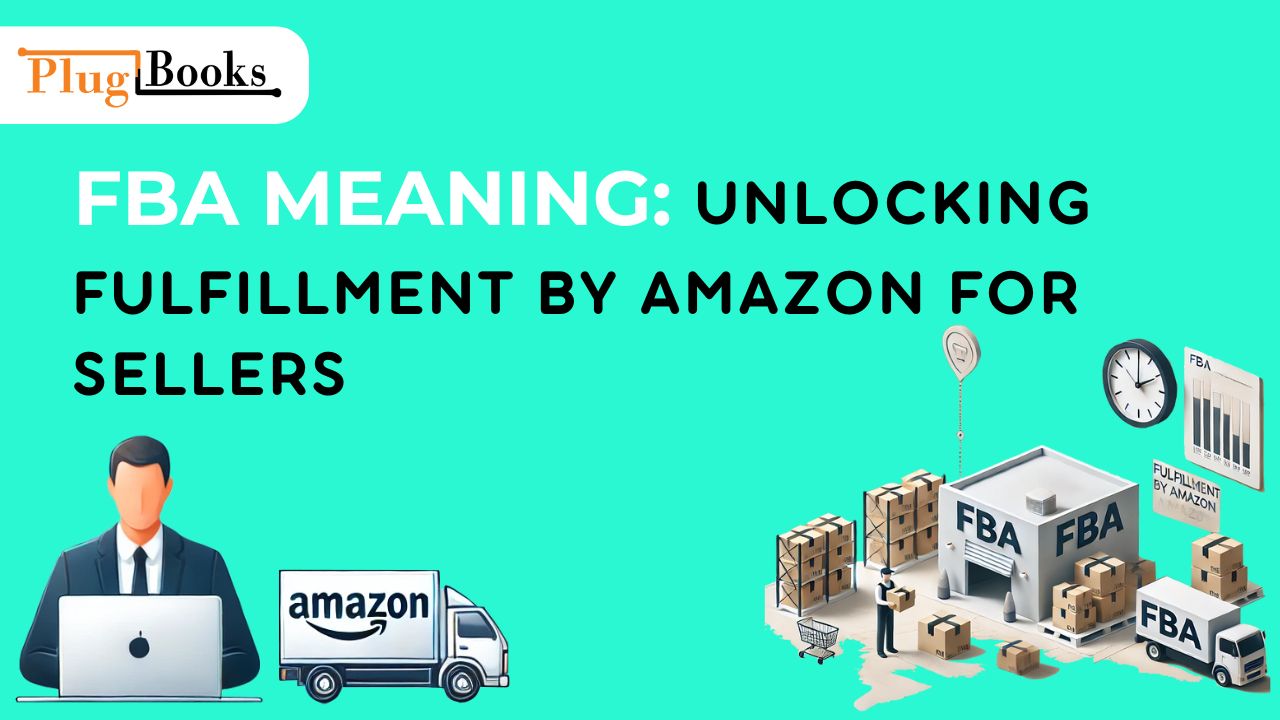
If you’ve ever been curious about the FBA meaning, you’ve come to the right place. FBA, or Fulfillment by Amazon, is one of the most game-changing tools for online sellers today. Imagine focusing solely on growing your business while someone else handles inventory, shipping, and customer service. That’s exactly what FBA does.
Let’s break it down so you fully understand why FBA is so popular among e-commerce entrepreneurs.
What Does FBA Mean?
Simply put, the FBA meaning is Fulfillment by Amazon. It’s a service where Amazon takes care of most of the operational side of selling. Here’s how it works:
- Inventory Storage: You send your products to Amazon’s fulfillment centers. They store them safely until an order is placed.
- Packing & Shipping: When a customer orders, Amazon packs the product and ships it out on your behalf.
- Customer Service & Returns: Amazon handles questions, complaints, and returns, so you don’t have to.
Essentially, FBA allows sellers to leverage Amazon’s massive logistics network, freeing up time and energy to focus on sales, marketing, and product development.
Why Sellers Love FBA: Benefits You Can’t Ignore
The FBA meaning goes beyond its definition—it’s a tool for growth, convenience, and scalability. Here’s why sellers often choose FBA over self-fulfillment:
- Increased Visibility
FBA products are eligible for Amazon Prime, which is a huge trust signal for buyers. Prime members are more likely to buy because they know shipping will be fast and reliable. - Simplified Logistics
Forget about storing boxes in your garage or dealing with shipping headaches. Amazon manages storage, packing, and delivery—so you can focus on scaling your business. - Global Reach
Want to sell internationally? FBA makes it easier to reach customers worldwide. Amazon handles the complexities of international shipping, customs, and delivery. - Enhanced Customer Experience
Amazon is known for fast shipping and responsive customer service. With FBA, your buyers enjoy the same high-quality experience, which boosts your seller reputation and product reviews.
5. Time Savings
Managing a growing e-commerce business is stressful. FBA gives you more time to strategize and grow, instead of worrying about operational logistics.
How to Use FBA: Step-by-Step
Now that you understand the FBA meaning, let’s walk through how to get started:
- Sign Up for an Amazon Seller Account
Choose between Individual or Professional plans depending on how many products you plan to sell. - List Your Products
Create detailed, attractive product listings. Include high-quality images, clear descriptions, and keywords to improve visibility. - Prepare Your Inventory
Package your items according to Amazon’s guidelines and ship them to their fulfillment centers. They’ll take care of the rest once your products arrive. - Start Selling
Once your inventory is at Amazon, your products are ready to sell. When orders come in, Amazon handles packing, shipping, and customer service. - Monitor & Optimize
Track sales, inventory levels, and performance metrics through your seller dashboard. Use this data to make smarter business decisions.
Is FBA Right for Your Business?
FBA isn’t perfect for everyone. Here are some things to consider:
- Fees: Amazon charges storage and fulfillment fees. Make sure your profit margins can absorb these costs.
- Product Type: Bulky or low-cost items might be less profitable under FBA due to higher storage fees.
- Control: You give up some control over packaging and shipping, which may matter if your brand experience is key.
That said, for sellers looking to scale quickly without managing day-to-day logistics, FBA can be a lifesaver.
Tips to Maximize FBA Success
- Start Small: Test a few products to understand fees and demand before scaling.
- Use Inventory Tools: Tools like PlugBooks help track your inventory, sales, and fees efficiently.
- Optimize Listings: High-quality images, keyword-rich titles, and compelling descriptions can dramatically increase sales.
- Monitor Fees: Keep an eye on storage and referral fees to ensure your margins stay healthy.
PlugBooks: Simplify Your FBA Journey
Managing FBA can be easier with the right tools. PlugBooks offers solutions for e-commerce sellers to track inventory, monitor fees, and manage multi-platform sales seamlessly. Whether you’re on Amazon, Walmart, or eBay, PlugBooks helps you focus on growing your business while keeping logistics under control.
Check out PlugBooks to take your e-commerce business to the next level.
Frequently Asked Questions (FAQs)
Q1: Can anyone use FBA?
Yes! Both new and experienced sellers can sign up for FBA.
Q2: Does FBA handle international shipping?
Yes, FBA can ship globally, but some restrictions and fees may apply.
Q3: Are there hidden costs in FBA?
Amazon’s fees are transparent but include storage, fulfillment, and optional service fees. Always calculate your margins carefully.
Q4: How fast does FBA ship products?
Prime-eligible products usually ship in 1–2 days to customers in the U.S.
Q5: Can I still sell outside of FBA?
Absolutely. Many sellers use a hybrid model with both FBA and self-fulfillment.
Quick Recap
- FBA Meaning: Fulfillment by Amazon, a service to store, ship, and manage customer service.
- Benefits: Increased sales, simplified logistics, global reach, time savings, and better customer experience.
- Setup: Sign up, list products, ship inventory, and let Amazon do the rest.
- Considerations: Fees, product type, and level of control over fulfillment.
Conclusion
Understanding the FBA meaning isn’t just about knowing what the acronym stands for—it’s about recognizing a powerful tool to grow your e-commerce business efficiently. With Amazon handling logistics and customer service, you gain time, reach, and credibility.
Ready to make your selling journey easier and more profitable? Explore Fulfillment by Amazon today and consider using PlugBooks to maximize your success.

24 thoughts on “FBA Meaning: Unlocking Fulfillment by Amazon for Sellers”