



College textbooks can cost hundreds of dollars, which is why many students search for affordable second-hand options. If you have old textbooks lying around, learning how to sell used textbooks on Amazon can help you recover money or even build a profitable side hustle.
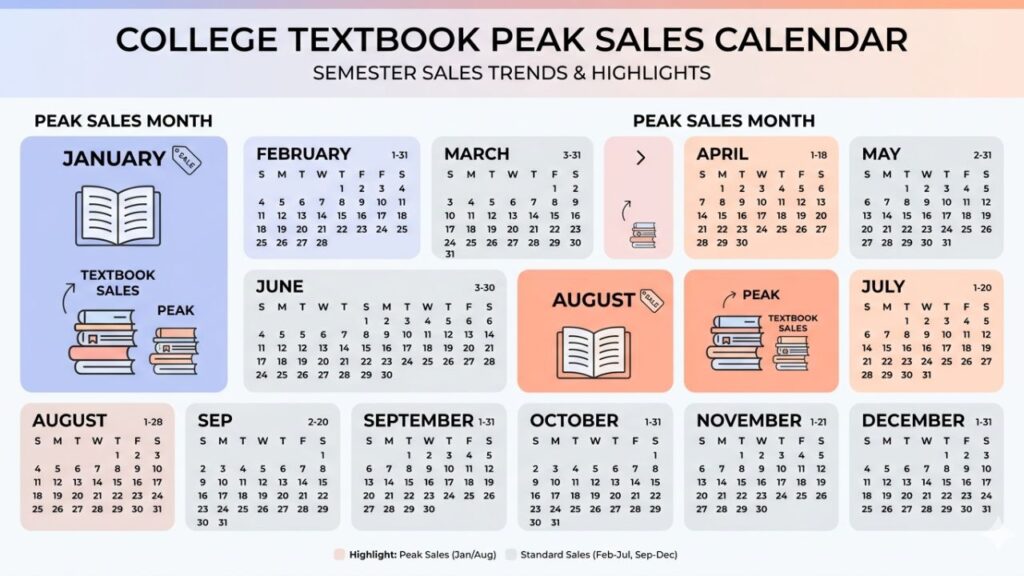
Selling used textbooks on Amazon involves creating a seller account, searching for the book’s ISBN to match an existing listing, setting a competitive price, and selecting between FBA (Amazon handles shipping and storage) or FBM (you ship directly). Timing is key, with the best sales opportunities occurring in January and August when students prepare for new semesters.
Amazon is one of the largest marketplaces for books, offering millions of buyers daily. Because most textbooks already exist in Amazon’s catalog, sellers simply need to attach their inventory using the ISBN number rather than creating new listings. By understanding the listing process, pricing strategies, and seasonal demand, anyone can successfully sell textbooks online in 2026.
Key Takeaways
- ISBN numbers match your textbook to the correct listing
- Competitive pricing increases Buy Box chances
- Choosing FBA or FBM affects shipping and storage
- Peak sales occur in January and August
- Accurate book condition descriptions reduce returns
Easily How to Sell Used Textbooks on Amazon
Selling textbooks online can be simple and profitable. By setting up a seller account, matching ISBNs to listings, and choosing FBA or FBM, you can reach students quickly and maximize your earnings, especially during peak months like January and August.
Why Selling Used Textbooks on Amazon Is Profitable
Even in 2026, textbooks remain one of the most reliable products to resell online. Here’s why:
High Student Demand
Students are constantly searching for cheaper alternatives to expensive new textbooks. A used book that costs 50–70% of the original price often sells within days.
Large Marketplace
Amazon attracts millions of daily book buyers, giving sellers access to a huge audience. This ensures your textbooks are seen by a large number of potential buyers without extra marketing.
Easy Listing System
ISBN numbers make listing simple. You do not have to create a new product page; you just attach your copy to an existing listing.
Multiple Fulfillment Options
You can choose FBM (you ship directly) or FBA (Amazon handles storage, packing, and shipping). Both have their advantages depending on your business model.
How Do You Know if a Textbook Is Worth Selling on Amazon?
Before creating a listing, check whether your textbook has enough demand and profit potential. Not every old textbook will sell quickly, especially if a newer edition has replaced it.
Start by searching the book on Amazon using its ISBN. Look at the current prices, the number of competing sellers, and the condition of similar copies. A textbook may be worth listing if you can price it competitively while still covering Amazon fees, fulfillment costs, and your original purchase cost.
Consider these factors before selling:
- Current demand for the textbook
- Edition and publication date
- Number of competing sellers
- Condition of your copy
- Expected selling price
- Amazon and fulfillment costs
A simple profit calculation can help:
Expected Selling Price − Amazon Fees − Fulfillment and Shipping Costs − Book Cost = Estimated Profit
Checking profitability before listing helps you avoid spending time and money on textbooks with little resale potential.
Step 1: Create an Amazon Seller Account
Before you can start, you need a seller account — a crucial first step in learning **how to sell used textbooks on Amazon**. Amazon offers two plans:
Individual Seller Plan
- No monthly subscription
- Pay a small fee per sale
- Ideal for sellers with fewer than 40 books per month
Professional Seller Plan
- Monthly subscription
- Lower per-item selling costs
- Best for high-volume sellers
Requirements to Register:
- Valid email address
- Bank account
- Government-issued ID
- Credit card for verification
- Tax information
Once registered, you’ll have access to Amazon Seller Central, the dashboard where all your listings, pricing, and orders are managed.
Step 2: Locate the ISBN Number
What is an ISBN?
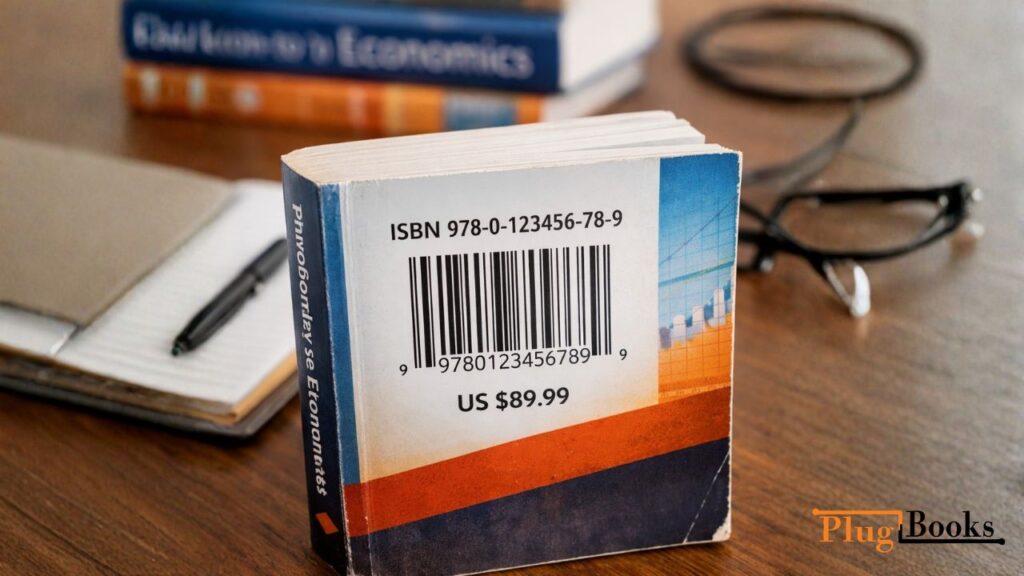
ISBN stands for International Standard Book Number. It is a unique identifier for every book edition, ensuring buyers and sellers can match the exact version.
Where to Find the ISBN
- Back cover barcode
- Inside the copyright page
- Dust jacket of hardcover books
Why ISBN Matters
- Matches your textbook to an existing listing
- Avoids duplicate listings
- Ensures buyers receive the correct edition
Step 3: Check Demand and Competition
Finding the ISBN is only the first step. Before listing your textbook, check how the same edition is performing on Amazon.
Search for the ISBN and review the existing offers. Compare the number of sellers, prices, book conditions, and fulfillment methods. If many sellers are offering the same textbook at very low prices, your profit margin may be limited.
Pay special attention to the edition. Older editions can sometimes have lower demand when students and universities have moved to newer versions.
Checking demand and competition before listing helps you choose textbooks with better selling potential and make smarter pricing decisions.
Step 4: Match Your Book With an Existing Listing
- Log in to Amazon Seller Central
- Click Add a Product
- Enter the ISBN number
- Select the correct listing
- Click Sell This Item
Pro Tip: If the ISBN isn’t found, double-check the edition and ISBN digits. Using the wrong edition can lead to returns and negative feedback.
Step 5: Select the Correct Book Condition
Amazon requires sellers to describe the book’s condition honestly. This affects sales and buyer trust.
Condition Categories:
- Like New: Looks new, no markings, minimal wear
- Very Good: Minor wear, clean pages, slight cover damage
- Good: Visible wear, some highlighting or notes
- Acceptable: Heavily used but readable
Example: “Used textbook in Very Good condition. Pages clean, cover lightly worn, minor pencil markings on 3 pages.”
Honest condition descriptions reduce returns and negative reviews.
How Can You Reduce Returns When Selling Used Textbooks?
Accurate listings can help prevent avoidable returns. Buyers should know exactly what they are purchasing before placing an order.
Before listing your textbook, make sure you:
- Confirm the correct ISBN and edition
- Clearly describe highlighting, notes, or writing
- Mention damaged covers or worn pages
- Disclose missing materials or supplements
- Check whether any included access codes are still valid before making claims about them
Honest descriptions help set clear buyer expectations and can reduce disputes, negative feedback, and unnecessary returns.
Step 6: Set a Competitive Price
Pricing is crucial to win sales.
- Check competitors on the same listing
- Compare book conditions
- Consider shipping fees
- Price slightly lower than competitors to increase Buy Box chances
Example Pricing Strategy
A textbook in Very Good condition might sell for $80 when other sellers list at $90–$100. Pricing just below average can attract buyers faster.
Tip: Adjust pricing seasonally. Students search heavily in January and August, so prices can be slightly higher during peak months.
What Costs Should You Consider Before Selling a Textbook?
A textbook may appear profitable based on its selling price, but your actual earnings depend on the costs involved in the sale.
Before setting your final price, consider:
- Amazon selling fees
- FBA fulfillment fees, if applicable
- Storage costs, where applicable
- Shipping costs for FBM orders
- Packaging materials
- The original cost of acquiring the textbook
For example, a textbook with a high selling price may still produce a small profit if fulfillment and selling costs are too high.
Tracking these expenses is essential because your revenue is not the same as your profit. Calculate your expected costs before listing so you can choose a price that makes financial sense.
PlugBooks can help sellers keep track of Amazon sales, fees, expenses, and payouts, making it easier to understand the actual profitability of textbook sales.
Step 7: Choose FBA or FBM Fulfillment
Fulfilled by Amazon (FBA)
- Amazon handles storage, packing, shipping, and customer service
- Books become Prime-eligible
- Higher trust with buyers
Fulfilled by Merchant (FBM)
- Seller stores and ships books themselves
- Lower fees
- Full control of inventory and shipping speed
Pro Tip: FBM works well for low-volume sellers, while FBA is better for scaling with multiple books.
Step 8: Timing and Seasonal Strategy
Timing can make or break textbook sales.
- January: Spring semester
- August: Fall semester
Listing your inventory 2–3 weeks before these months ensures visibility when demand peaks.
Tip: Promote bundle offers or multi-book sets to attract students who are buying multiple textbooks for the same course.
Step 9: Increase Sales with Smart Strategies
High-Demand Subjects:
- Engineering
- Medicine
- Computer Science
- Business & Finance
- Law
Look for Specialized and Hard-to-Find Textbooks
Some textbooks have stronger resale potential because they serve a specific audience or are harder to find. Specialized academic books, technical subjects, professional reference books, and less common editions may attract buyers when demand remains active.
However, rarity alone does not guarantee a profitable sale. Always check current demand and competing offers before purchasing inventory specifically for resale.
The best opportunities usually come from finding books with a healthy balance between buyer demand, limited competition, and a realistic profit margin.
Sourcing Cheap Textbooks:
- Thrift stores
- Library sales
- Campus bookstores
- Online book liquidation platforms
Bundles & Discounts:
Offer bundles for courses with multiple textbooks. Students prefer buying all required books in one purchase.
Step 10: Packaging and Shipping Tips
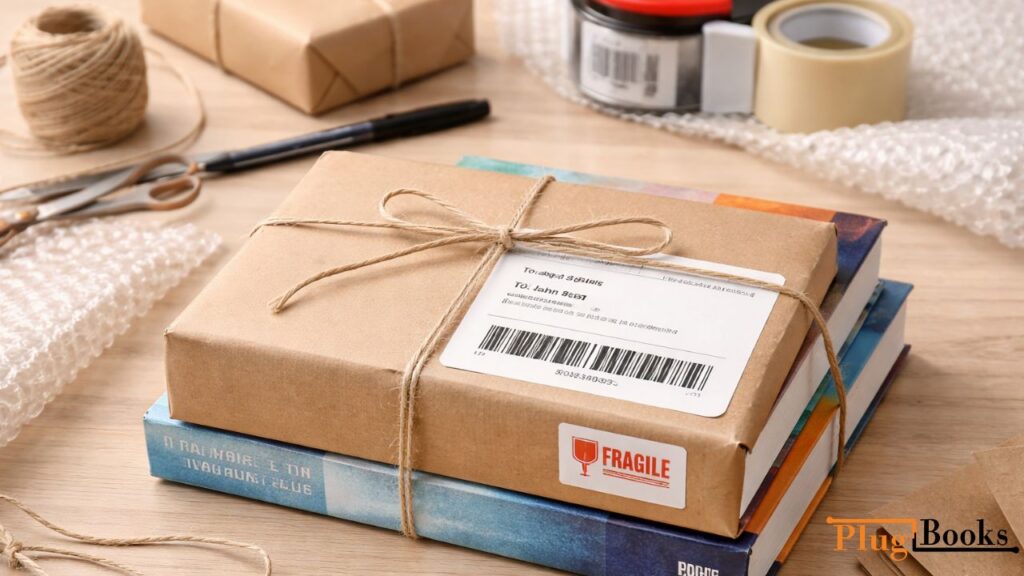
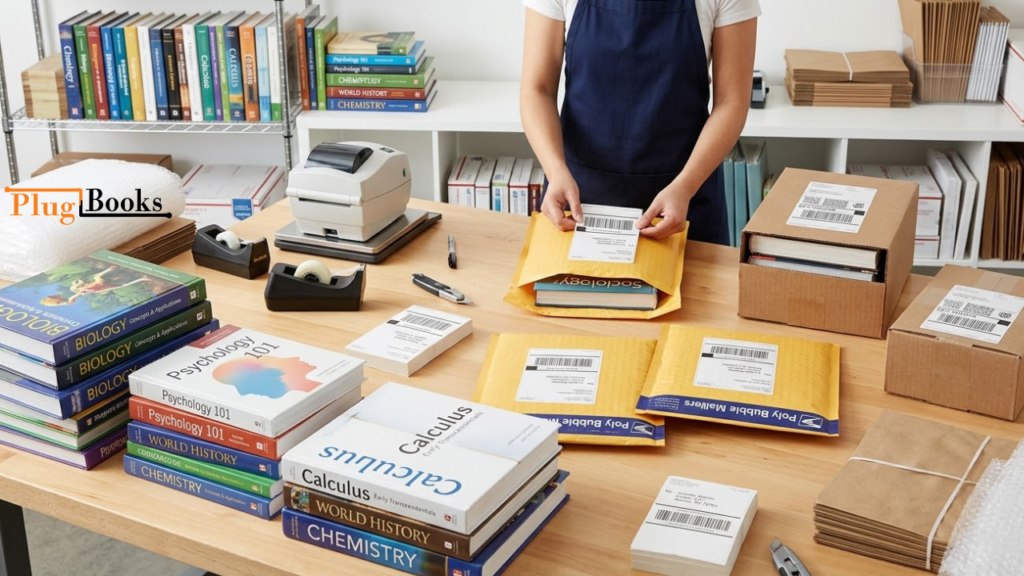
- Use bubble mailers or padded envelopes
- For heavy textbooks, use small boxes
- Media Mail is cost-effective in the U.S.
- Ship promptly to maintain high seller ratings
Step 11: Monitor Metrics and Feedback
Keep track of:
- Order defect rate
- Late shipment rate
- Customer feedback
- Returns
Maintaining good metrics improves listing visibility and Buy Box eligibility.
Common Mistakes to Avoid
- Listing wrong ISBN edition
- Overstating condition
- Ignoring fees and shipping costs
- Poor packaging leading to damaged books
Avoiding these mistakes ensures better reviews and faster sales.
How PlugBooks Helps Amazon Textbook Sellers
Selling textbooks on Amazon can be overwhelming, but PlugBooks supports sellers by handling bookkeeping and accounting. It integrates with tools like QuickBooks and Xero to track revenue, Amazon fees, shipping costs, and profits automatically.
This allows sellers to focus on sourcing, listing, and selling textbooks efficiently, especially during peak months like January and August, while staying on top of their finances without extra manual work.

Conclusion
Mastering how to sell used textbooks on Amazon allows students and resellers to earn extra money or build a small business. Using ISBNs correctly, pricing competitively, and choosing the right fulfillment method, while listing before peak semesters (January and August), maximizes your sales potential in 2026.
With careful sourcing, honest condition listings, and smart shipping strategies, your textbooks can generate consistent income. Start small, scale gradually, and soon Amazon could become a reliable platform for your book reselling business.
FAQs
1. Can I sell textbooks on Amazon without ISBN?
Not easily. ISBN ensures correct listing and edition.
2. Can You Sell Textbooks Directly to Amazon?
Most sellers list textbooks on Amazon’s marketplace and sell directly to buyers. Direct buyback or trade-in options may vary, so check Amazon’s current availability and requirements.
3. How much can I earn selling textbooks?
Depends on sourcing cost and demand. Some rare textbooks earn $100+ per copy.
4. When do textbooks sell the fastest?
January and August, before spring and fall semesters.
5. Should I use FBA or FBM?
FBM is simpler for beginners; FBA increases visibility and Prime eligibility.
6. Can I sell highlighted textbooks?
Yes, list as Good or Acceptable. Always disclose highlighting.
7. How do I calculate profit?
Subtract Amazon referral fees, shipping costs, and any packaging expenses from your selling price.
8. Can I bundle textbooks for better sales?
Yes, bundle related course books to attract students looking for convenience.
2 thoughts on “How to Sell Used Textbooks on Amazon in 2026”